Close

Heat Alert: Today’s Hottest Weather, Rising Water Use, and How to Save Every Drop Today’s weather in Quezon City and nearby areas is extremely hot, with temperatures reaching around 37°C and heat index levels feeling even higher. The intense summer heat increases the risk of dehydration, heat exhaustion, and higher household water use as people shower more often, wash clothes frequently, and consume more drinking water.
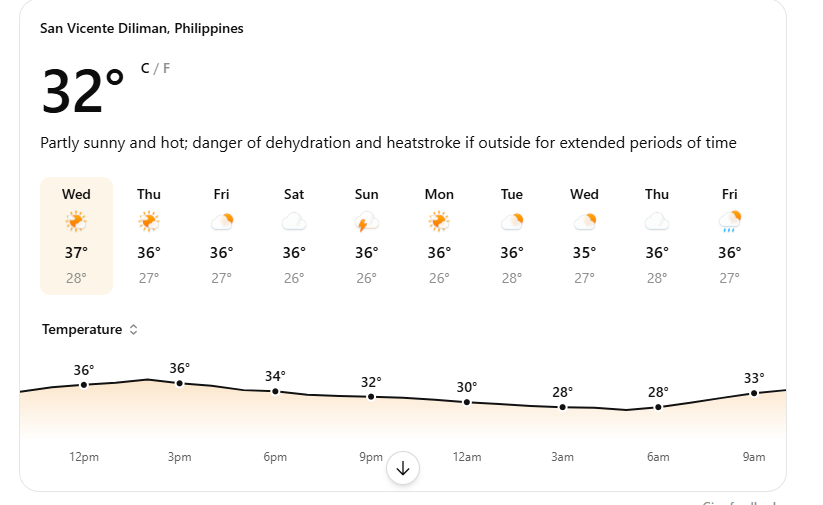
When people hear “37°C,” it already sounds hot. However, the actual feeling can be much worse due to humidity, which traps heat in the body and slows down sweat evaporation. This is what we call the heat index. In highly humid environments like the Philippines, the body struggles to cool itself, making even simple activities—walking, commuting, or doing chores—physically draining.
Because of this, households tend to adapt by using more water. Cold showers become more frequent, drinking water intake increases significantly, and people rely on water not only for hydration but also for cooling their bodies and surroundings.

Christmas is a season of generosity, warmth, and connection. Yet every year, the holidays also … Continue reading 🎄🌿 A Zero-Waste Christmas: An Educational Guide to Conscious Gifting 🌿🎄
December 23, 2025
MANILA, PHILIPPINES — The International Ecotourism Society of the Philippines Inc. (TIESPHI) continues to expand … Continue reading BUILDING PARTNERSHIPS FOR SUSTAINABLE ECOTOURISM: TIESPHI AND SABAH CONVENTION BUREAU STRENGTHEN COLLABORATION
August 21, 2026
November 13, 2025 – A new chapter in sustainable tourism unfolded today as the Mallorca Convention … Continue reading Mallorca Convention Bureau and TIESPHI Join Forces to Champion Sustainable Ecotourism in the Balearic Islands
November 26, 2025The 🌱 International Ecotourism Society (TIESPHI) is now open for membership registration to individuals, advocates, professionals, organizations, academic institutions, and community groups committed to promoting responsible and sustainable tourism.
As a member of TIES, you will gain access to:
Capacity-building programs, webinars, and learning sessions on ecotourism and sustainability
A global network of ecotourism professionals, organizations, and experts
Opportunities to participate in advocacy efforts, community-based initiatives, and conservation projects
Collaboration in promoting environmental stewardship and cultural preservation
TIES welcomes all who share the vision of protecting natural environments, empowering local communities, and supporting sustainable tourism development.
Be part of the global movement for responsible tourism—join TIES today 🌱!
 The International Ecotourism Society