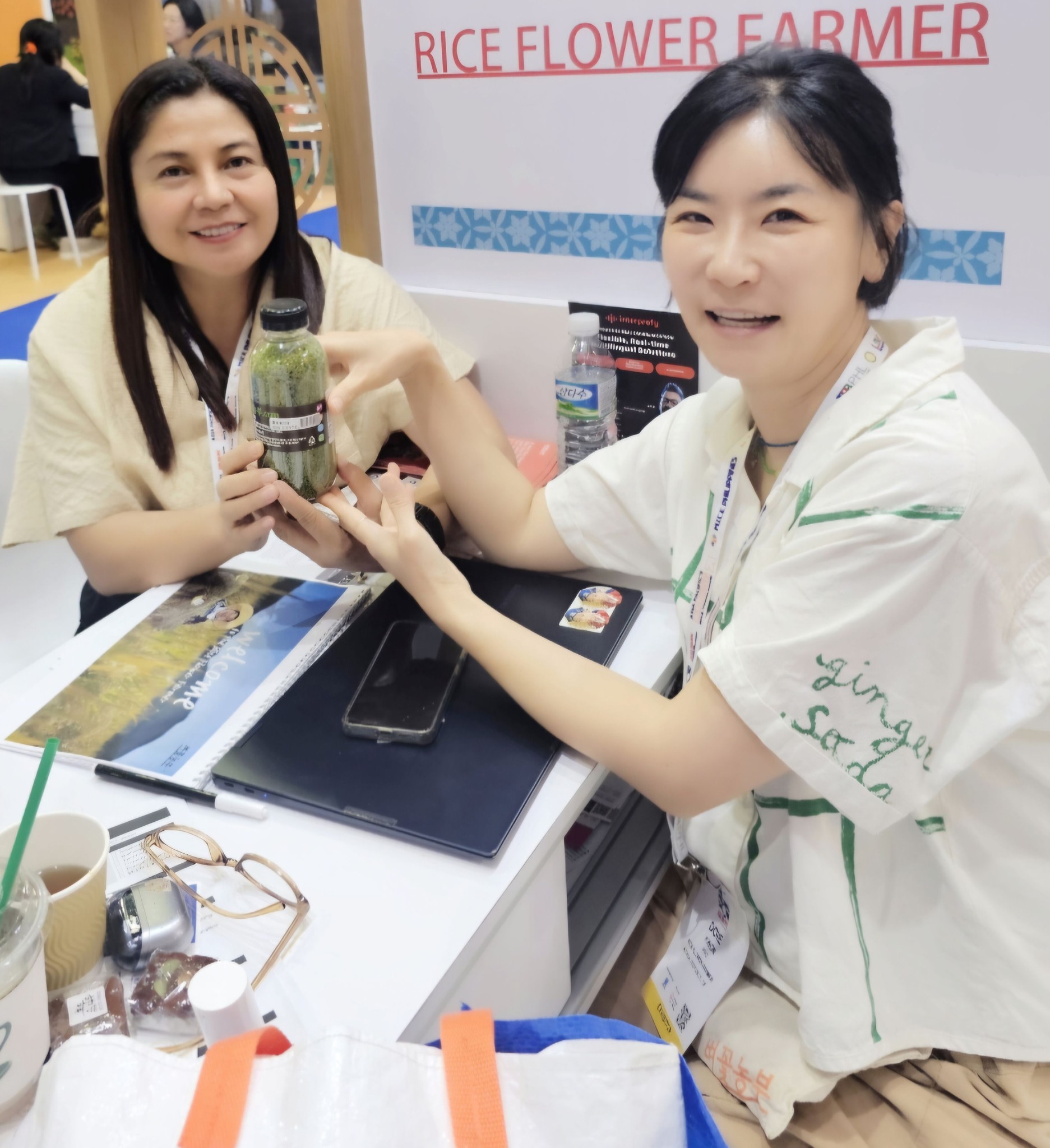
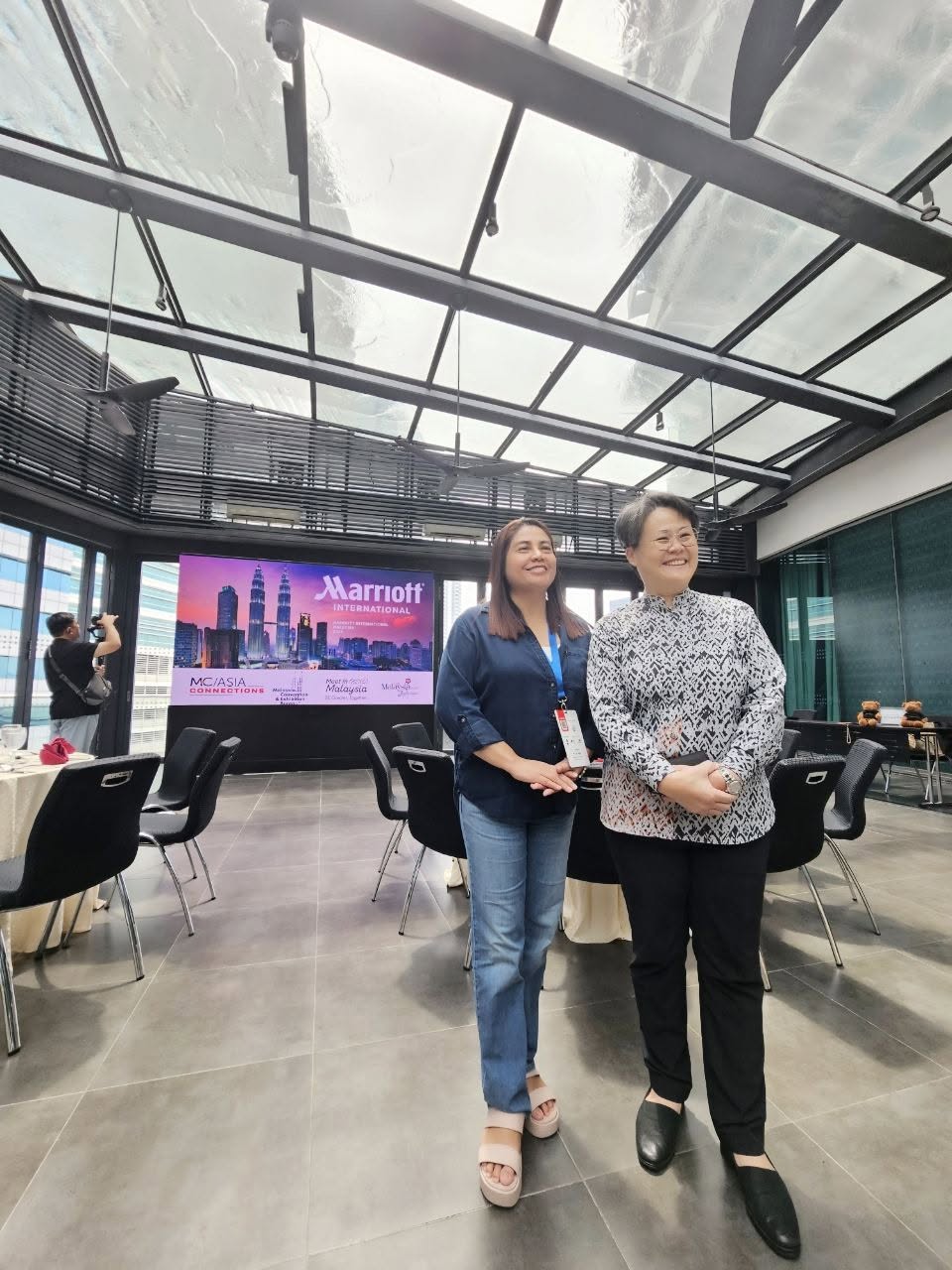
In a significant stride toward advancing sustainable development, agricultural innovation, and international ecotourism cooperation, The International Ecotourism Society Philippines Inc. (TIESPHI), under the leadership of Ms. Vilma DC Mendoza, has officially entered into a meaningful partnership with Ms. Doie Kwon of Rice Flower Farmer, one of Korea’s emerging models of integrated eco-agriculture and experiential tourism.
This landmark collaboration reflects a shared commitment to creating stronger connections between nations through sustainability, cultural understanding, and responsible tourism practices. By combining the Philippines’ growing ecotourism initiatives with Korea’s innovative agricultural systems, the partnership is expected to generate new opportunities for learning, exchange, and long-term environmental impact.
Situated in Jeil Yeongnona, Korea, Rice Flower Farmer is more than an agricultural site—it is a living example of how farming, tourism, education, and entrepreneurship can successfully coexist in one sustainable ecosystem. The destination is recognized for operating a complete circular agricultural process, where rice is cultivated, harvested, processed, packaged, and distributed all within a single location. This efficient and eco-conscious system reduces waste, supports local livelihoods, and demonstrates how agriculture can evolve into a modern, experience-based industry.
Visitors to Rice Flower Farmer are immersed in hands-on educational activities that provide valuable insight into Korean farming traditions, sustainable food production, and innovative agri-business strategies. Through guided experiences, participants are able to learn about rice cultivation, environmental stewardship, and the transformation of raw agricultural products into market-ready goods. These interactive programs help bridge the gap between producers and consumers while fostering appreciation for the labor, heritage, and science behind food systems.
As a certified 6th industrial enterprise, Rice Flower Farmer represents the modern Korean model of combining primary industry (agriculture), secondary industry (manufacturing/processing), and tertiary industry (tourism/services) into one dynamic business framework. This approach has drawn increasing attention from international markets, particularly from China, Southeast Asia, and neighboring countries, where demand for authentic, educational, and sustainability-centered travel experiences continues to rise.
Since 2021, the site has recorded a remarkable increase in annual visitor growth, expanding by more than 1.5 times each year. This impressive trend highlights a global shift in traveler preferences, where more people are seeking destinations that offer not only recreation, but also cultural immersion, environmental responsibility, and meaningful learning experiences.
One of the standout features of Rice Flower Farmer is its innovative experiential culinary programs, which reimagine traditional Korean cuisine using rice-based products and modern presentation techniques. Guests are invited to participate in cooking classes, tastings, and cultural workshops that celebrate Korean food heritage while introducing fresh, contemporary ideas. These programs play an important role in the continued rise of K-culture worldwide, extending beyond entertainment into gastronomy, wellness, and rural tourism.
For TIESPHI, this partnership marks another milestone in its mission to position ecotourism as a catalyst for positive transformation. The organization has long advocated for tourism models that protect biodiversity, preserve local traditions, empower communities, and generate inclusive economic opportunities. By working with Rice Flower Farmer, TIESPHI expands its international network while opening doors for Filipino communities, tourism stakeholders, students, and entrepreneurs to learn from Korea’s successful sustainability practices.
The collaboration is expected to pave the way for future exchange programs, educational tours, capacity-building initiatives, and potential agri-tourism investments between the Philippines and Korea. It may also inspire local farming communities in the Philippines to adopt similar integrated systems that merge agriculture with tourism and value-added product development.
Speaking on the partnership, Ms. Vilma DC Mendoza emphasized the deeper purpose behind the alliance:
“This collaboration represents a shared vision of sustainability, education, and cultural connection. By bringing together the Philippines and Korea through ecotourism and agricultural innovation, we are creating opportunities that inspire communities and encourage greater respect for nature and heritage.”
As the world faces growing environmental and economic challenges, partnerships such as this demonstrate the power of international cooperation in building resilient and future-ready communities. Through shared expertise, innovation, and cultural exchange, TIESPHI and Rice Flower Farmer are cultivating more than rice fields—they are cultivating hope, opportunity, and a sustainable future for generations to come.
Together, this alliance stands as a shining example of how tourism and agriculture, when guided by responsibility and vision, can become powerful forces for global progress.
 The International Ecotourism Society