Close
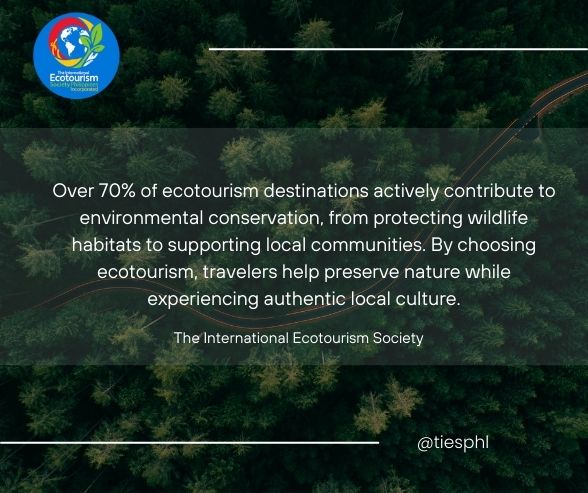
Ecotourism, defined as responsible travel to natural areas that conserves the environment and sustains the well-being of local communities, has become an increasingly important model for sustainable travel. While exact global figures are difficult to determine, research and field studies suggest that a substantial majority of ecotourism destinations implement practices that actively contribute to conservation and local development. This forms the conceptual basis for the widely cited statement that “over 70% of ecotourism destinations actively contribute to environmental conservation.”
Ecotourism and Environmental Protection
Many ecotourism destinations focus on preserving natural habitats, protecting endangered species, and reducing environmental degradation. Studies in Southeast Asia, for example, show that well-managed ecotourism projects can reduce pressures on forests and marine ecosystems by creating incentives for sustainable resource use (MDPI, 2023). By generating revenue through tourism, these destinations encourage local stakeholders to maintain and protect biodiversity rather than overexploit resources.
Supporting Communities Through Tourism
Ecotourism also provides significant social and economic benefits. Community-based initiatives create jobs in guiding, hospitality, and local crafts, reducing dependence on environmentally harmful industries. These programs empower residents to participate in decision-making processes and benefit directly from tourism revenue, strengthening both livelihoods and environmental stewardship (FAO, 2023).
Preserving Culture and Heritage
Beyond conservation and economic benefits, ecotourism promotes cultural preservation. Tourists engage with authentic local traditions, crafts, and customs, fostering mutual understanding and respect. By incorporating cultural heritage into tourism experiences, communities are motivated to maintain and share their traditions with visitors, contributing to social sustainability (Global Insights Journal, 2023).
Understanding the “Over 70%” Concept
The “over 70%” figure should be interpreted as a conceptual estimate based on aggregated research observations and case studies rather than a strict global statistic. Studies consistently show that a majority of well-managed ecotourism sites contribute positively to environmental and community goals, though outcomes vary depending on governance quality, community involvement, and local environmental conditions. The number highlights the substantial potential for ecotourism to drive meaningful conservation and social impact.
Conclusion
Ecotourism offers a model for responsible travel that aligns environmental, social, and cultural goals. By supporting destinations that prioritize sustainability, travelers play a direct role in conserving ecosystems, sustaining local communities, and experiencing authentic culture. While not all ecotourism initiatives are equally effective, evidence shows that well-managed projects can make a measurable difference — reinforcing the importance of informed, responsible travel.
References

BANI, PANGASINAN — The vibrant fiesta spirit of Bani comes alive through its cherished food … Continue reading THE FIESTA SPIRIT OF BANI, PANGASINAN: A CELEBRATION OF FOOD, CULTURE, AND TRADITION
September 4, 2026
The International Ecotourism Society (TIES) Philippines Inc., led by its Founder, Ms. Vilma Mendoza, met … Continue reading TIESPHI Meets University of Perpetual Help Molino: Inspiring Future Eco-Warriors Toward Sustainable Ecotourism
November 12, 2025
Ecotourism continues to reshape global travel in 2025, evolving from a mere trend into a … Continue reading 10 Interesting Facts About Ecotourism in 2025
December 10, 2025The 🌱 International Ecotourism Society (TIESPHI) is now open for membership registration to individuals, advocates, professionals, organizations, academic institutions, and community groups committed to promoting responsible and sustainable tourism.
As a member of TIES, you will gain access to:
Capacity-building programs, webinars, and learning sessions on ecotourism and sustainability
A global network of ecotourism professionals, organizations, and experts
Opportunities to participate in advocacy efforts, community-based initiatives, and conservation projects
Collaboration in promoting environmental stewardship and cultural preservation
TIES welcomes all who share the vision of protecting natural environments, empowering local communities, and supporting sustainable tourism development.
Be part of the global movement for responsible tourism—join TIES today 🌱!
 The International Ecotourism Society