Close
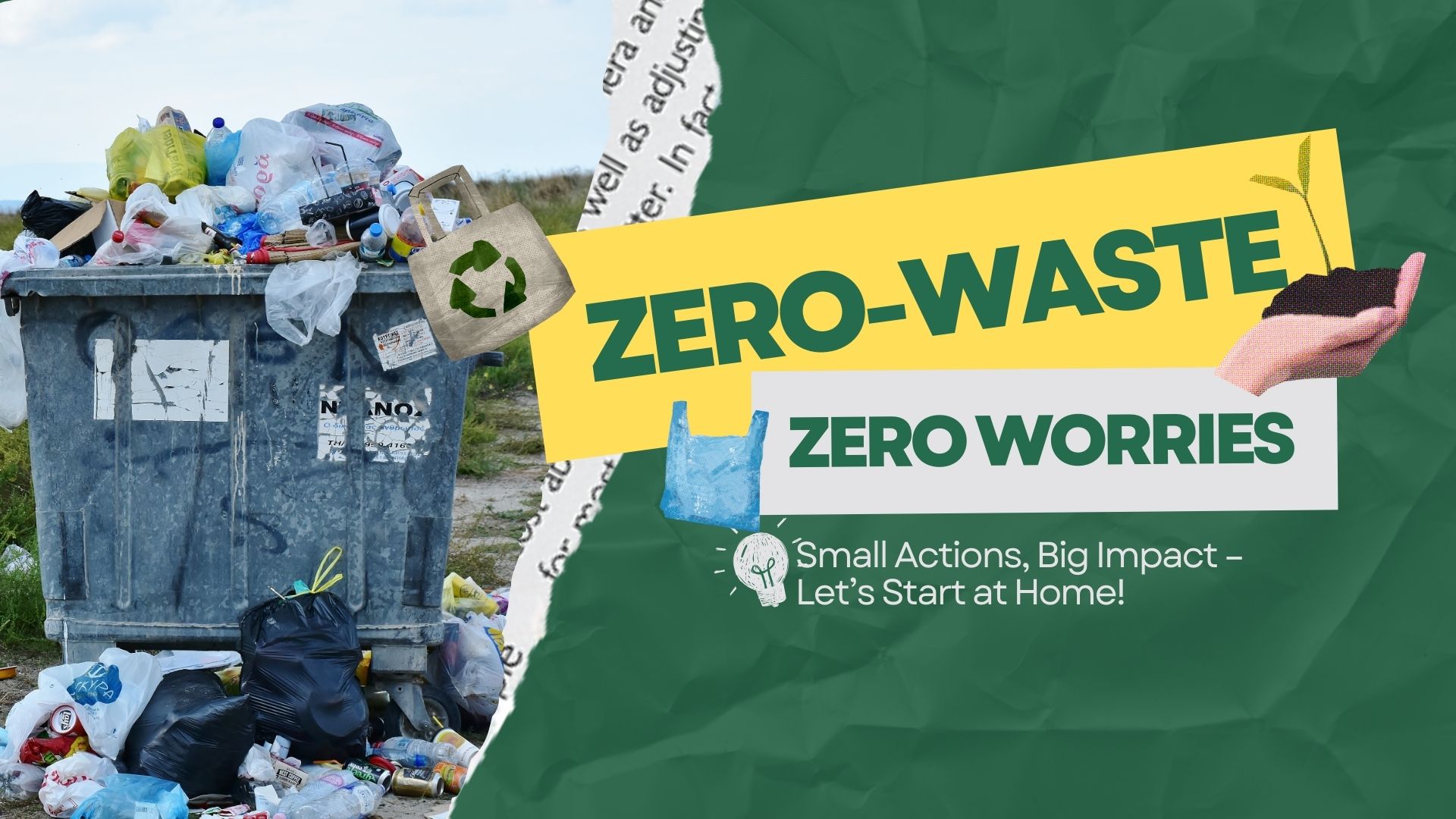
Zero Waste is a philosophy and practical approach aimed at minimizing waste generation to protect our environment, conserve natural resources, and promote sustainable living. At its core, Zero Waste is about rethinking our relationship with materials, consumption, and disposal. Instead of viewing waste as an inevitable by-product, Zero Waste encourages individuals, communities, and organizations to adopt responsible practices that mimic the cycles of nature, where “waste” becomes a resource rather than a problem.
The International Ecotourism Society (TIES) strongly supports the Zero Waste approach as part of its mission to promote sustainable tourism and environmental conservation. By integrating Zero Waste principles into ecotourism activities, communities can minimize environmental impacts, preserve natural habitats, and create long-term benefits for both people and the planet.
Zero Waste is guided by the 5R framework: Refuse, Reduce, Reuse, Recycle, and Rot. Each principle represents a strategic action aimed at minimizing waste, conserving resources, and promoting sustainable living.
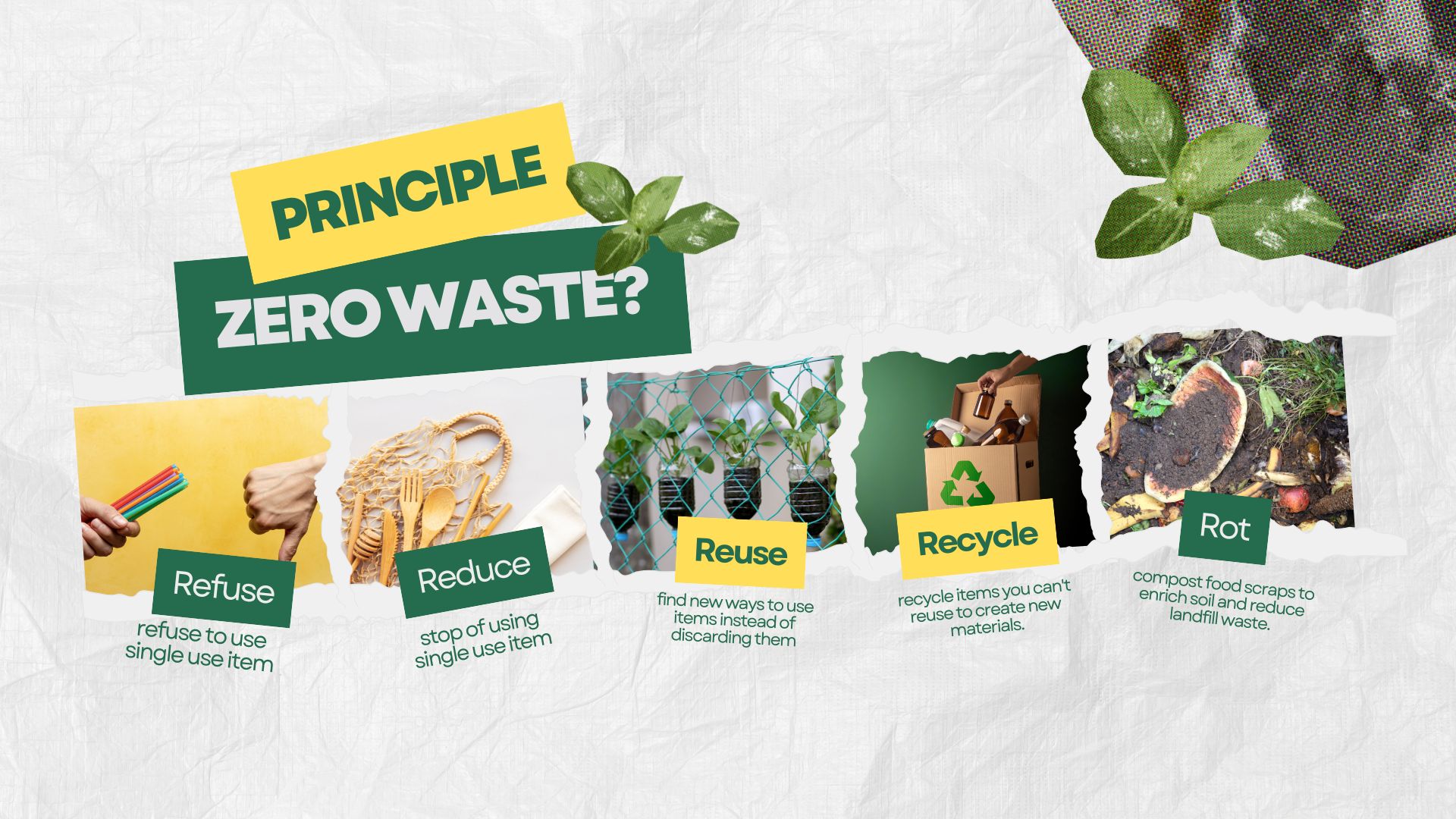
Refusing unnecessary items is the first step in Zero Waste. This principle emphasizes mindful consumption and making conscious decisions to avoid products that generate waste or harm the environment.
Key Actions:
Reduction is about using less and being conscious of the resources we consume. Unlike refusing, which focuses on avoiding products altogether, reducing is about minimizing consumption in your daily life.
Key Actions:
Impact of Reduction: Reducing consumption lowers demand for resource extraction, decreases pollution, and reduces greenhouse gas emissions from manufacturing and transportation.
Reusing items extends their life cycle, keeping them out of landfills and reducing the need for new resources. This principle encourages creativity and resourcefulness.
Key Actions:
Impact of Reuse: Reusing conserves materials, reduces energy consumption, and encourages a circular economy where products remain valuable rather than disposable.
Recycling is the process of converting waste materials into new products. While it is a critical step, it is often considered the last resort after refusing, reducing, and reusing, because it still requires energy and resources.
Key Actions:
Impact of Recycling: Recycling reduces the extraction of virgin materials, lowers greenhouse gas emissions, and prevents waste from ending up in landfills and oceans.
Rotting, or composting, is the natural process of breaking down organic materials like food scraps and yard waste into nutrient-rich soil. This principle aligns with nature’s cycles, returning nutrients to the earth.
Key Actions:
Impact of Rotting: Composting reduces landfill waste, lowers methane emissions, and improves soil health, contributing to sustainable agriculture and gardening.
Ecotourism, by definition, focuses on responsible travel to natural areas while conserving the environment and improving the well-being of local communities. Integrating Zero Waste principles into ecotourism amplifies these benefits.
How TIES Supports Zero Waste in Ecotourism:
By adopting Zero Waste, ecotourism can minimize environmental footprints, protect biodiversity, and create educational opportunities for travelers.
To implement Zero Waste in everyday life, individuals can take practical steps:
Beyond individual action, organizations and communities play a critical role in reducing waste. TIES encourages institutions to:
These efforts not only conserve resources but also raise awareness and inspire collective action for environmental preservation.
Zero Waste is more than a strategy—it’s a mindset shift toward sustainability. By embracing the principles of Refuse, Reduce, Reuse, Recycle, and Rot, individuals and communities can dramatically reduce their environmental impact.
The International Ecotourism Society (TIES) emphasizes that integrating Zero Waste into tourism, education, and community initiatives is essential for building a sustainable future. Each small action, from refusing a plastic straw to composting food scraps, contributes to a healthier planet, preserved ecosystems, and stronger, environmentally conscious communities.

Christmas is a season of generosity, warmth, and connection. Yet every year, the holidays also … Continue reading 🎄🌿 A Zero-Waste Christmas: An Educational Guide to Conscious Gifting 🌿🎄
December 23, 2025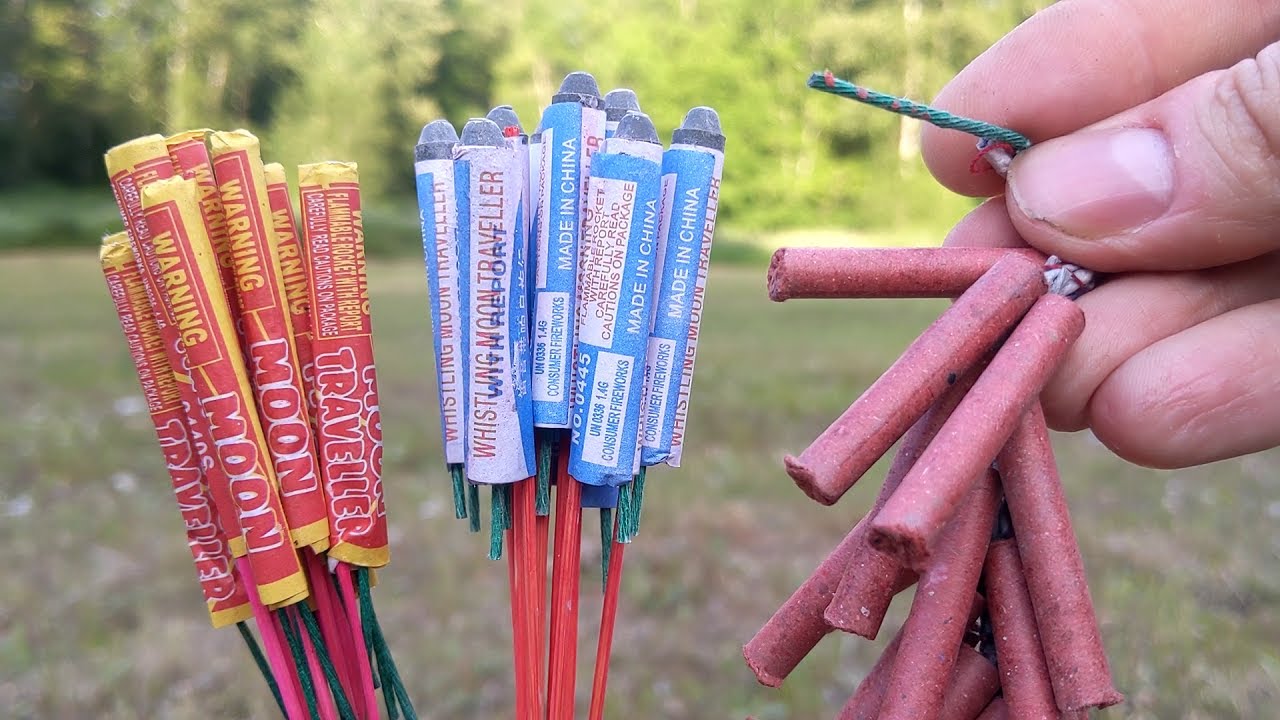
As communities prepare to welcome the New Year, TIESPHI (The International Ecotourism Society Philippines) urges … Continue reading The Hidden Dangers of Firecrackers: Environmental Damage, Wildlife Distress, and Human Health Risks
December 28, 2025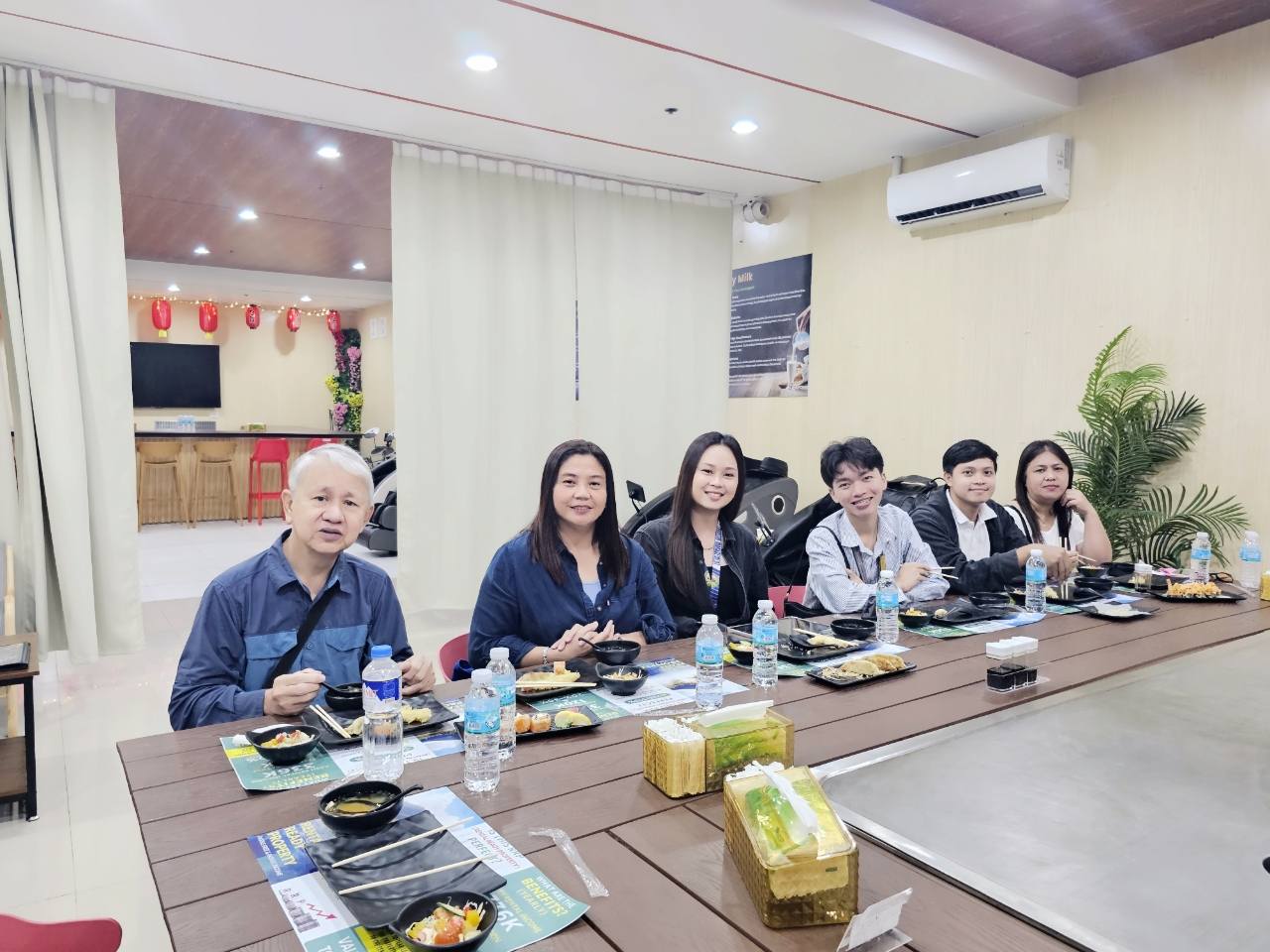
The International Ecotourism Society, Philippines Incorporated (TIESPHI) proudly announces a strategic partnership with AF Homes … Continue reading Growing Greener Together: TIES Philippines and AF Homes Eco Farm Forge a Partnership for Sustainable Travel and Community-Led Conservation
January 25, 2026The 🌱 International Ecotourism Society (TIESPHI) is now open for membership registration to individuals, advocates, professionals, organizations, academic institutions, and community groups committed to promoting responsible and sustainable tourism.
As a member of TIES, you will gain access to:
Capacity-building programs, webinars, and learning sessions on ecotourism and sustainability
A global network of ecotourism professionals, organizations, and experts
Opportunities to participate in advocacy efforts, community-based initiatives, and conservation projects
Collaboration in promoting environmental stewardship and cultural preservation
TIES welcomes all who share the vision of protecting natural environments, empowering local communities, and supporting sustainable tourism development.
Be part of the global movement for responsible tourism—join TIES today 🌱!
 The International Ecotourism Society