

Close

The ocean is far more than a vast expanse of water—it is a complex, dynamic system that sustains life on Earth. At the heart of this system are phytoplankton, microscopic marine plants that perform one of the planet’s most critical ecological services: producing oxygen. Though invisible to the naked eye, these organisms generate over half of the Earth’s oxygen, surpassing the combined output of all terrestrial forests. Every breath we take is in part a gift from the ocean.
Phytoplankton were first identified and described scientifically in the 19th century by German naturalist Christian Gottfried Ehrenberg, who classified numerous microorganisms in seawater. Later, 20th-century oceanographers, including G. Evelyn Hutchinson and Richard Eppley, expanded our understanding of their ecological significance and their role in carbon cycling. These tiny organisms thrive near the ocean’s surface, using sunlight, carbon dioxide, and nutrients to create oxygen through photosynthesis. Despite their microscopic size, they reproduce rapidly and blanket the oceans in blooms that provide the foundation for marine food webs and regulate global climate systems.
Beyond oxygen production, phytoplankton play a crucial role in mitigating climate change. Through carbon fixation, they absorb vast amounts of carbon dioxide, much of which eventually sinks to the ocean floor, sequestering carbon for centuries. According to studies by NASA and NOAA, phytoplankton are responsible for absorbing roughly one-third of all anthropogenic CO₂ emissions, underscoring their importance in climate regulation. Regions of high productivity—such as upwelling zones, coastal areas, and polar seas—serve as hotspots for these microscopic yet mighty organisms.
However, the health of phytoplankton populations is increasingly threatened. Rising sea temperatures, ocean acidification, chemical runoff, overfishing, and plastic pollution disrupt marine ecosystems, reducing the abundance and diversity of these vital organisms. The consequences extend far beyond the ocean itself: declining phytoplankton populations could lead to lower oxygen levels, destabilized food chains, and impaired carbon sequestration, directly affecting biodiversity and human life.
Protecting the ocean is not only an environmental responsibility—it is a societal imperative. Conservation measures, sustainable fishing practices, pollution reduction, and marine protected areas are essential strategies to safeguard phytoplankton and the ecosystems that depend on them. Educational programs that highlight the ocean’s role in oxygen production and climate regulation can empower communities to participate in conservation efforts. As UNESCO’s Intergovernmental Oceanographic Commission emphasizes, understanding and protecting the ocean is fundamental to the survival and well-being of life on Earth.
By appreciating the ocean’s hidden productivity and recognizing phytoplankton as indispensable architects of life, we are reminded that our actions today determine the health of future generations. Every effort to reduce pollution, support sustainable tourism, or conserve marine habitats contributes to maintaining the delicate balance that sustains our planet’s atmosphere and biodiversity.
For more information, updates, and environmental insights, follow TIES Philippines.
Date Posted: November 22, 2025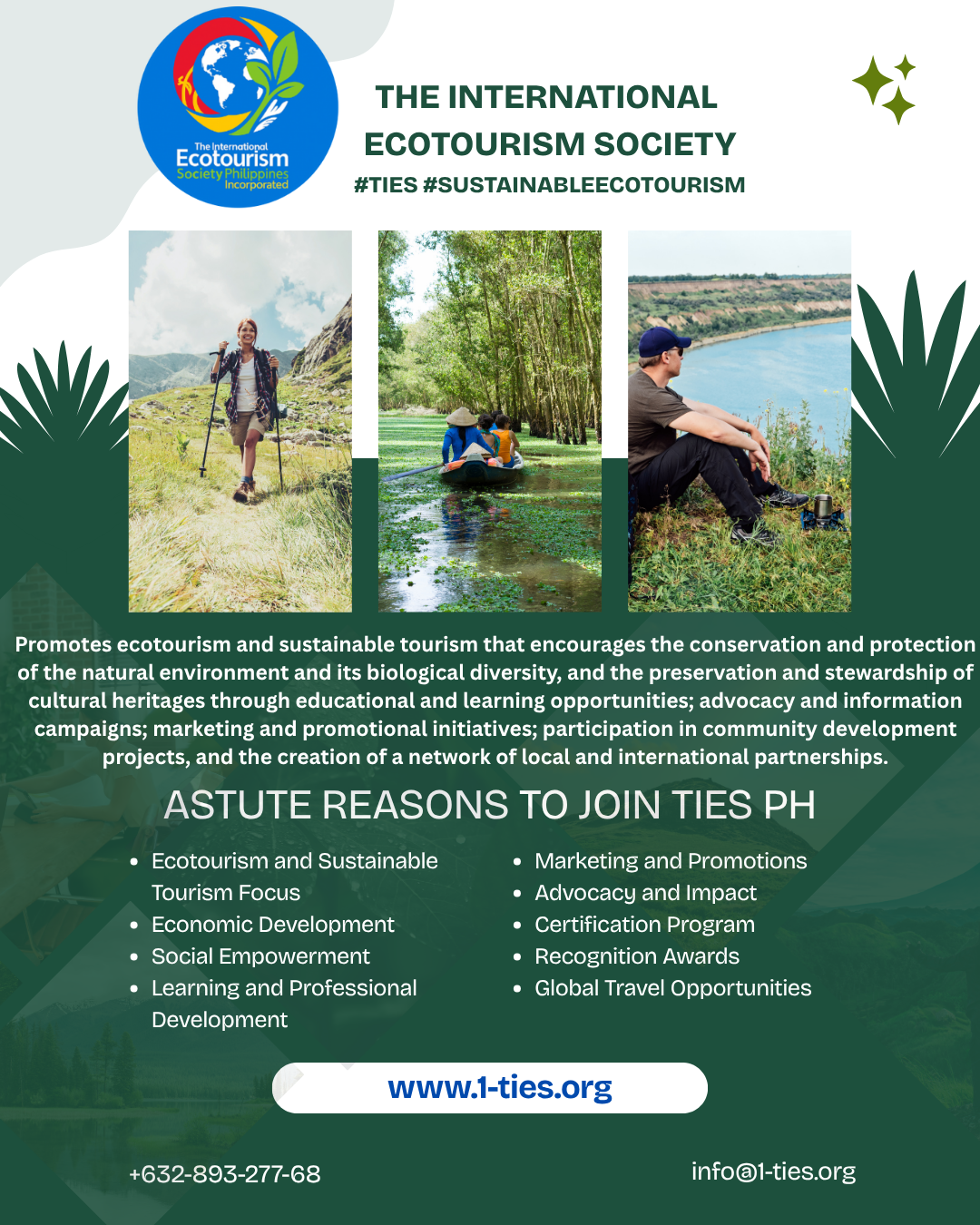
In an era where sustainability, cultural preservation, and responsible resource management have become central to … Continue reading Leading the Way in Sustainable Tourism: Why Ecotourism Professionals Must Act Now
November 20, 2025
As global travel continues to evolve, the tourism industry is facing a growing responsibility to … Continue reading Strengthening Global Partnerships for Sustainable Tourism and Ecotourism
May 23, 2026
The International Ecotourism Society (TIES) Philippines Inc., led by its Founder, Ms. Vilma Mendoza, met … Continue reading TIESPHI Meets University of Perpetual Help Molino: Inspiring Future Eco-Warriors Toward Sustainable Ecotourism
November 12, 2025The 🌱 International Ecotourism Society (TIESPHI) is now open for membership registration to individuals, advocates, professionals, organizations, academic institutions, and community groups committed to promoting responsible and sustainable tourism.
As a member of TIES, you will gain access to:
Capacity-building programs, webinars, and learning sessions on ecotourism and sustainability
A global network of ecotourism professionals, organizations, and experts
Opportunities to participate in advocacy efforts, community-based initiatives, and conservation projects
Collaboration in promoting environmental stewardship and cultural preservation
TIES welcomes all who share the vision of protecting natural environments, empowering local communities, and supporting sustainable tourism development.
Be part of the global movement for responsible tourism—join TIES today 🌱!
 The International Ecotourism Society