Close
The International Ecotourism Society of the Philippines (TIESPHI) underscores that the Philippines is globally recognized for its exceptional biodiversity, pristine beaches, rich marine ecosystems, and vibrant cultural heritage—making it one of the world’s most promising ecotourism destinations. However, despite this immense potential, the country’s ecotourism sector continues to face significant challenges that hinder its sustainable growth.
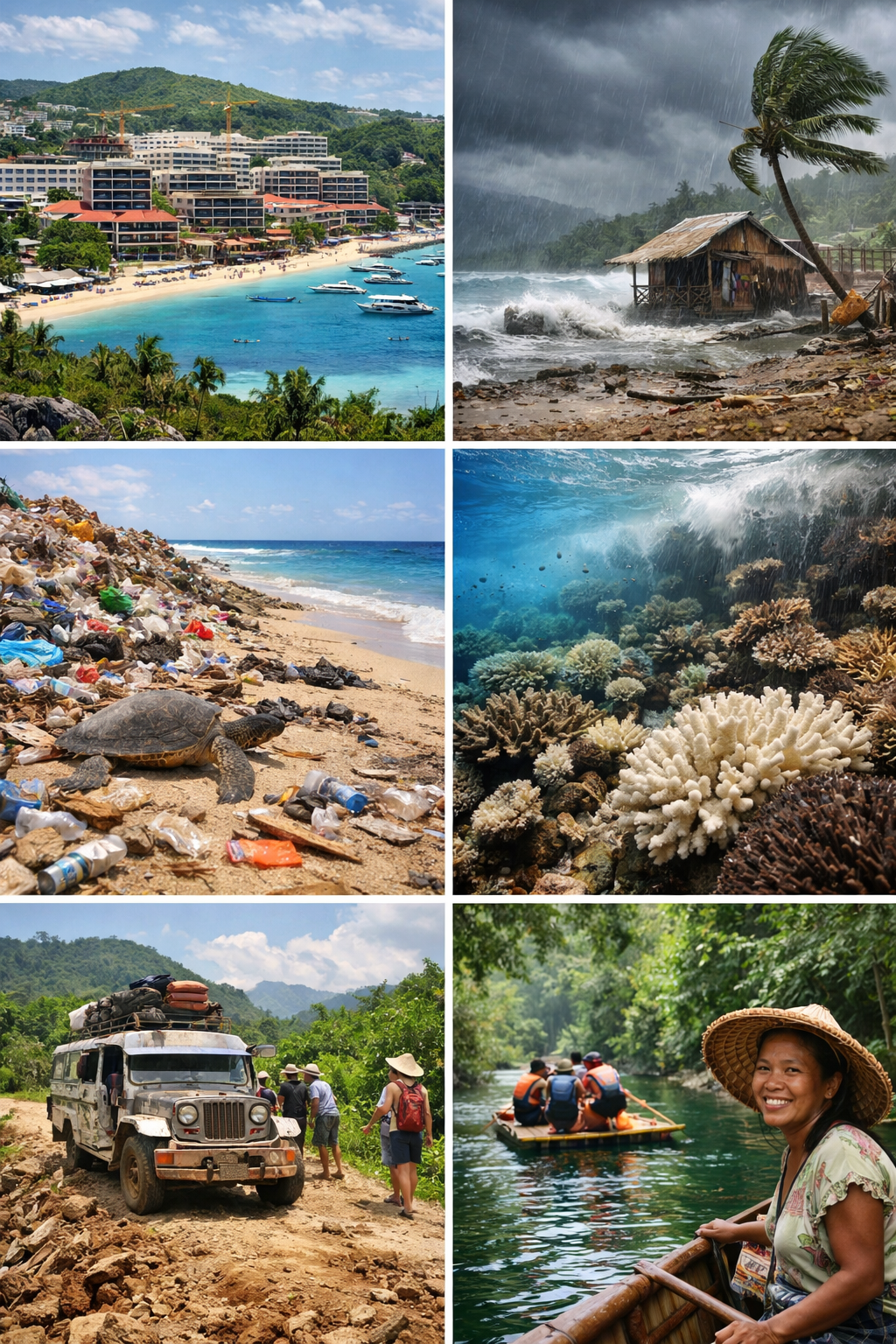
One of the primary issues affecting ecotourism in the Philippines is fragmentation in planning and governance. Tourism development often occurs in silos, with limited coordination among national government agencies, local government units, and community stakeholders. This lack of integration results in inconsistent policies, uneven standards, and overlapping initiatives that weaken long-term sustainability efforts.
Poor waste management remains another critical concern. Many popular tourist destinations struggle with inadequate waste disposal systems, leading to pollution in coastal areas, marine environments, and protected landscapes. The increasing volume of visitors, combined with insufficient facilities and weak enforcement, has accelerated environmental degradation in ecologically sensitive areas.
Additionally, infrastructure deficits—including limited access roads, inadequate sanitation facilities, unreliable water supply, and insufficient eco-friendly transport—pose serious barriers to responsible tourism. In many rural and island destinations, infrastructure development has failed to keep pace with tourist demand, placing added pressure on natural resources and local communities.
Rapid and unplanned tourism development further exacerbates these challenges. In some areas, the absence of strict land-use planning and environmental safeguards has resulted in habitat destruction, coastal erosion, and biodiversity loss. These impacts are intensified by the country’s high vulnerability to climate change, including stronger typhoons, rising sea levels, and coral bleaching, all of which threaten the long-term viability of ecotourism sites.
Despite these challenges, ecotourism remains a vital source of income and livelihood for many local communities across the Philippines. When managed responsibly, it supports job creation, promotes cultural preservation, and provides strong incentives for environmental conservation. Community-based ecotourism initiatives, in particular, demonstrate the sector’s capacity to empower local stakeholders while protecting natural assets.
Moving forward, TIESPHI emphasizes that strengthening ecotourism in the Philippines will require coordinated governance, sustainable infrastructure investment, improved waste management systems, and climate-resilient planning. With unified action among government, the private sector, civil society, and local communities, ecotourism can fulfill its promise as a powerful driver of inclusive growth and environmental stewardship.
— END —
Date Posted: December 19, 2025
The International Ecotourism Society (TIES) Philippines continues to lead the way in promoting responsible tourism … Continue reading Today’s Green Habit: Learn, Share, and Inspire
November 19, 2025
A productive and meaningful meeting was recently held between TIESPHI and the Sabah Convention Bureau, … Continue reading A Fruitful and Successful Meeting Strengthens Collaboration Between TIESPHI and Sabah Convention Bureau
April 18, 2026
November 19, 2025 – In a compelling call to action, Mr. Jack Urlus, Sr. Account … Continue reading Aviation Fuel Crisis, Say Air France-KLM’s Mr. Urlus
November 24, 2025The 🌱 International Ecotourism Society (TIESPHI) is now open for membership registration to individuals, advocates, professionals, organizations, academic institutions, and community groups committed to promoting responsible and sustainable tourism.
As a member of TIES, you will gain access to:
Capacity-building programs, webinars, and learning sessions on ecotourism and sustainability
A global network of ecotourism professionals, organizations, and experts
Opportunities to participate in advocacy efforts, community-based initiatives, and conservation projects
Collaboration in promoting environmental stewardship and cultural preservation
TIES welcomes all who share the vision of protecting natural environments, empowering local communities, and supporting sustainable tourism development.
Be part of the global movement for responsible tourism—join TIES today 🌱!
 The International Ecotourism Society