

Close
Plants have been an essential part of human civilization for thousands of years. They provide food, shelter, medicine, and countless natural resources while playing a vital role in maintaining healthy ecosystems. Across different cultures, many botanical species are valued not only for their culinary uses but also for their cultural significance, ecological importance, and contributions to traditional wellness practices.
Understanding and conserving these remarkable plants helps strengthen biodiversity, supports sustainable communities, and promotes responsible environmental stewardship.
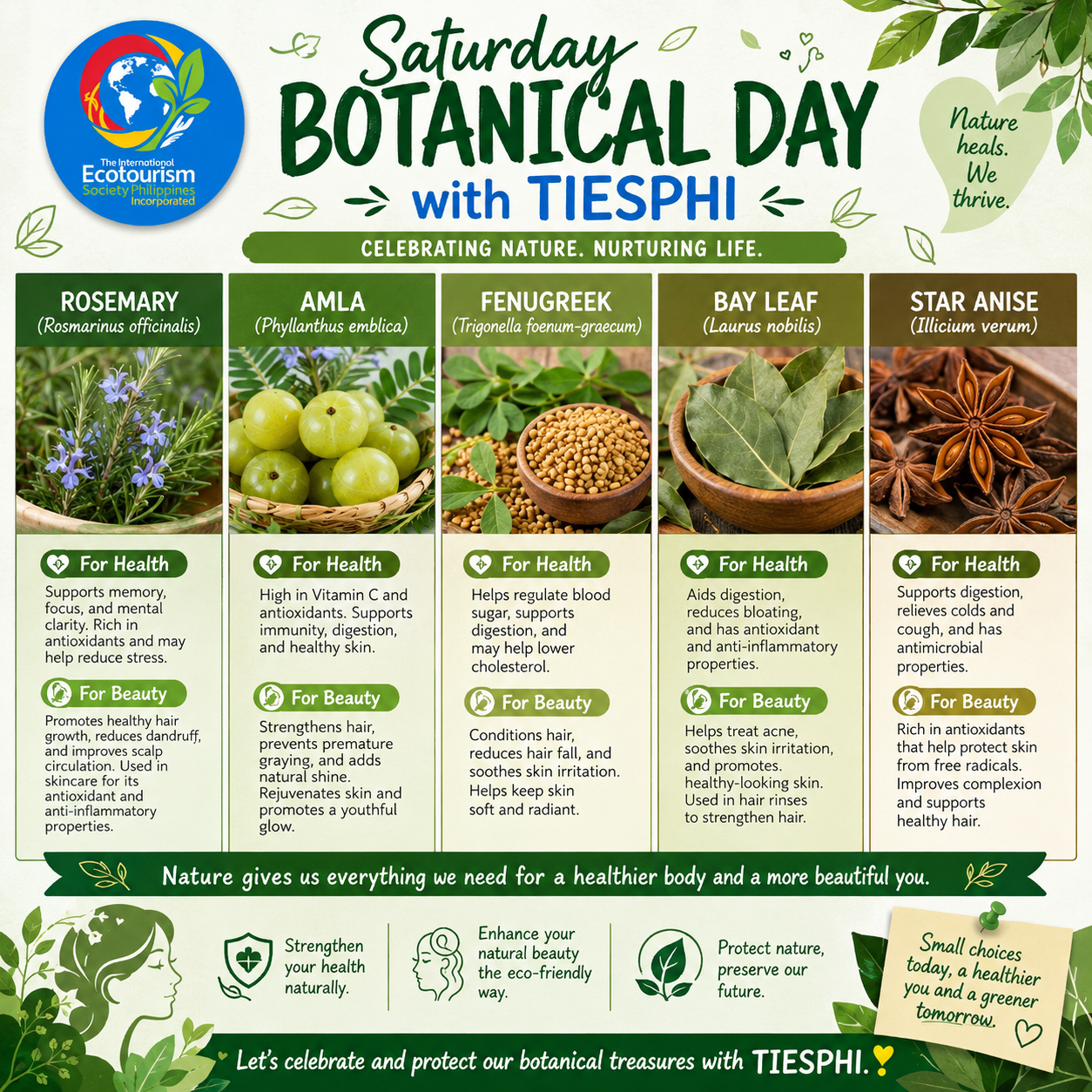
Rosemary is a fragrant evergreen herb widely recognized for its aromatic leaves and culinary versatility. It is commonly used to enhance the flavor of a variety of dishes and is a favorite in herb gardens around the world.
Beyond its culinary value, rosemary produces flowers that attract bees, butterflies, and other beneficial pollinators, making it an excellent plant for supporting biodiversity. Its drought tolerance and adaptability also make it a sustainable choice for home gardens and landscape restoration projects.
Amla (Phyllanthus emblica), also known as the Indian gooseberry, is a nutrient-rich fruit celebrated for its naturally high vitamin C content and beneficial plant compounds. It has been used for centuries in traditional wellness systems and continues to be appreciated as a nutritious food.
The Amla tree contributes to sustainable agriculture by helping improve green landscapes, providing shade, and supporting local biodiversity. Its fruit also serves as an important resource for communities and wildlife in many regions.
Fenugreek is a versatile annual plant whose seeds and leaves are widely used in cuisines across Asia, the Middle East, and the Mediterranean. It is valued for its distinctive flavor and has long been incorporated into traditional herbal practices.
As a member of the legume family, fenugreek naturally enriches the soil by fixing nitrogen, reducing the need for synthetic fertilizers and supporting sustainable farming practices. This ecological benefit makes it an important crop in environmentally conscious agriculture.
Bay leaves are harvested from evergreen trees that have been cultivated for centuries. They are widely used as a flavorful ingredient in soups, stews, sauces, and many traditional dishes around the world.
In addition to their culinary importance, bay trees contribute to healthy ecosystems by providing habitat for wildlife, stabilizing soil, and enhancing green spaces. Their long lifespan makes them valuable components of sustainable landscapes and biodiversity conservation efforts.
Star Anise is an aromatic spice easily recognized by its distinctive star-shaped fruit. Native to Asia, it has become an important ingredient in many culinary traditions, adding a warm, sweet flavor to both savory and sweet dishes.
The evergreen trees that produce Star Anise thrive in forested environments, highlighting the importance of protecting natural habitats where these species grow. Sustainable cultivation practices help preserve biodiversity while supporting local farming communities.
Every plant species contributes to the balance of nature. From supporting pollinators and improving soil health to providing food and preserving cultural traditions, botanicals are fundamental to both healthy ecosystems and human well-being.
Protecting plant diversity is essential for climate resilience, sustainable agriculture, ecological restoration, and responsible ecotourism. Conserving native and cultivated plant species helps ensure that future generations can continue to benefit from the rich natural heritage that plants provide.
By learning about the remarkable characteristics of botanicals such as Rosemary, Amla, Fenugreek, Bay Leaf, and Star Anise, we gain a deeper appreciation of the interconnected relationship between people and nature. Every plant has a story to tell and an important role to play in creating a healthier, greener, and more sustainable world.
Together, let us continue to value, conserve, and celebrate the extraordinary diversity of plants that enrich our environment, strengthen our ecosystems, and inspire responsible stewardship of our natural resources.
Date Posted: July 4, 2026
Singapore, April 15, 2026 — In a landmark step toward advancing wildlife conservation, sustainable tourism, … Continue reading The International Ecotourism Society Philippines Inc., Founder Vilma DC. Mendoza, and Mandai Wildlife Reserve’s Adrian Chai Forge Strategic Partnership in Singapore
April 15, 2026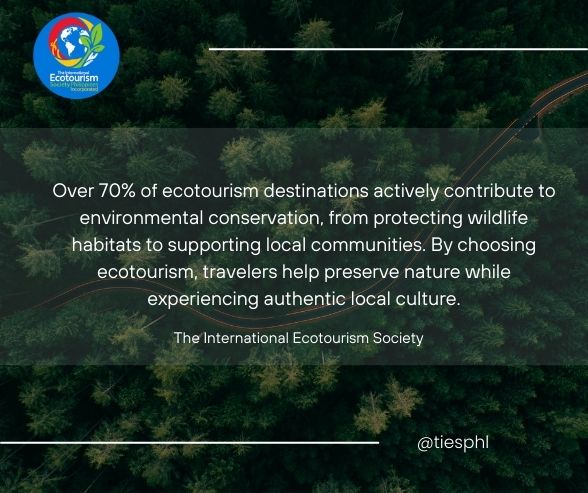
Ecotourism, defined as responsible travel to natural areas that conserves the environment and sustains the … Continue reading Understanding the Role of Ecotourism in Environmental Conservation and Community Development
December 6, 2025
June 19, 2026 — The International Ecotourism Society Philippines, Inc. (TIESPHI) proudly concludes its meaningful … Continue reading TIESPHI Celebrates Meaningful Connections and Sustainable Innovations at PHILMARINE 2026
June 19, 2026The 🌱 International Ecotourism Society (TIESPHI) is now open for membership registration to individuals, advocates, professionals, organizations, academic institutions, and community groups committed to promoting responsible and sustainable tourism.
As a member of TIES, you will gain access to:
Capacity-building programs, webinars, and learning sessions on ecotourism and sustainability
A global network of ecotourism professionals, organizations, and experts
Opportunities to participate in advocacy efforts, community-based initiatives, and conservation projects
Collaboration in promoting environmental stewardship and cultural preservation
TIES welcomes all who share the vision of protecting natural environments, empowering local communities, and supporting sustainable tourism development.
Be part of the global movement for responsible tourism—join TIES today 🌱!
 The International Ecotourism Society