Close

In today’s fast-paced, digitally-driven world, stress, anxiety, and burnout have become common companions for millions. With screens constantly vying for our attention and urban life accelerating at breakneck speed, mental health experts are increasingly turning their eyes to an unlikely solution: nature. Ecotourism—the practice of exploring and experiencing natural environments while promoting conservation—has emerged as a powerful tool not just for environmental awareness, but for emotional and psychological healing.
Recent studies suggest that immersion in natural landscapes can significantly reduce stress hormone levels, lower blood pressure, and improve overall well-being. Activities such as forest bathing, wildlife observation, or even short eco-retreats in pristine locations offer the mind a reprieve from the constant cognitive demands of modern life. Experts note that this “soft fascination” of nature—where attention is gently captured by surroundings—allows the brain to recover from mental fatigue, boosting creativity, focus, and emotional resilience.
“Ecotourism is no longer just about adventure or environmental education,” says Dr. Maria Santiago, a psychologist specializing in eco-therapy. “It’s about creating spaces where people can reconnect with themselves, reduce anxiety, and restore mental balance.” According to Dr. Santiago, guided walks in forests, coastal mindfulness sessions, and wildlife-focused retreats can have measurable effects on emotional well-being.
Globally, The International Ecotourism Society (TIES) has been at the forefront of promoting ecotourism as a tool for both environmental conservation and human well-being. Through its research, training, and certification programs, TIES emphasizes responsible travel that respects local cultures, preserves ecosystems, and promotes personal growth. TIES advocates say that ecotourism experiences designed with mental health in mind—such as mindfulness hikes, eco-retreats, and nature-based therapy programs—can significantly improve emotional resilience while fostering environmental stewardship.
Countries around the world are beginning to recognize the therapeutic potential of nature-based tourism. In Japan, “Shinrin-Yoku” or forest bathing has been formally integrated into public health programs, allowing citizens to benefit from the calming effects of natural environments. Meanwhile, in the Philippines, community-based ecotourism projects endorsed by TIES are offering tourists not only the chance to explore lush forests and pristine beaches but also to participate in mindfulness workshops and eco-therapy sessions designed to relieve stress.
For travelers, the benefits are immediate and tangible. Walking through a dense mangrove forest, listening to the gentle ripple of a river, or observing the vibrant patterns of butterflies can produce a sense of serenity that no urban park or digital meditation app can replicate. Even short stays in natural settings can decrease anxiety, improve mood, and provide a renewed sense of perspective.
Experts argue that ecotourism’s value extends beyond individual well-being. By connecting people to nature, it fosters a deeper appreciation for conservation and sustainability. Tourists who experience the calming and restorative power of the natural world are more likely to become advocates for environmental protection, creating a positive cycle that benefits both human and ecological health.
With mental health challenges at an all-time high, the intersection of ecotourism and psychological wellness offers a promising frontier. Innovative programs combining mindfulness, eco-adventure, and nature-based therapy are gaining traction, showing that healing in nature is not just a trend, but a necessary evolution in how we approach mental health. Organizations like TIES are helping guide this movement, ensuring that ecotourism is both sustainable and beneficial for the mind.
As urban life continues to place unprecedented demands on our minds, ecotourism may well be the sanctuary we have been seeking—a way to escape, reflect, and ultimately, restore ourselves in the embrace of the natural world.
– The International Ecotourism Society (TIES)
Date Posted: November 17, 2025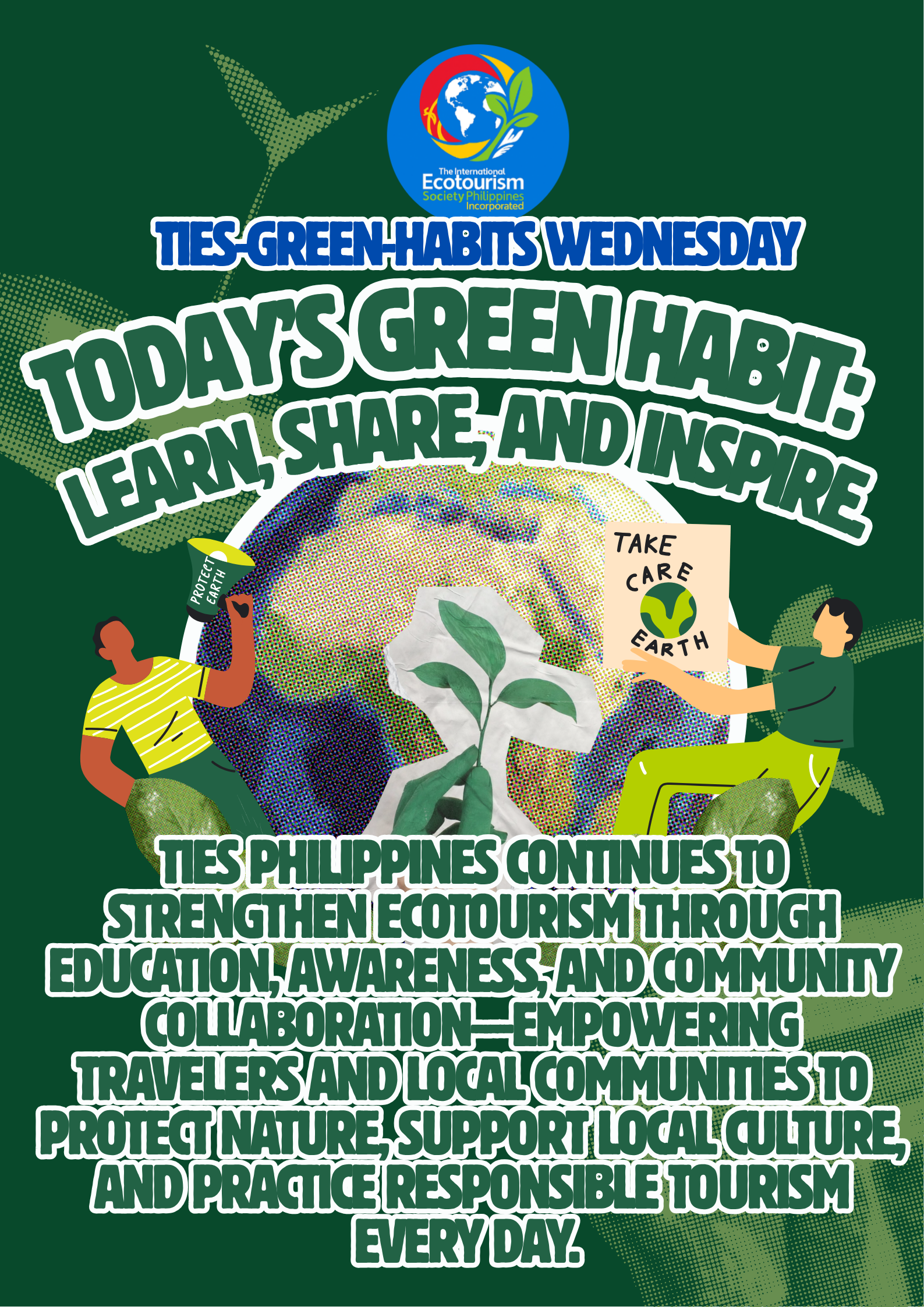
The International Ecotourism Society (TIES) Philippines continues to lead the way in promoting responsible tourism … Continue reading Today’s Green Habit: Learn, Share, and Inspire
November 19, 2025
TIES Philippines Participates in IT&CM Asia and CTW Asia-Pacific 2023, Strengthening Its Presence in Sustainable … Continue reading Nurturing Valuable Connections at the IT&CM; Asia and CTW Asia Pacific 2023
November 3, 2025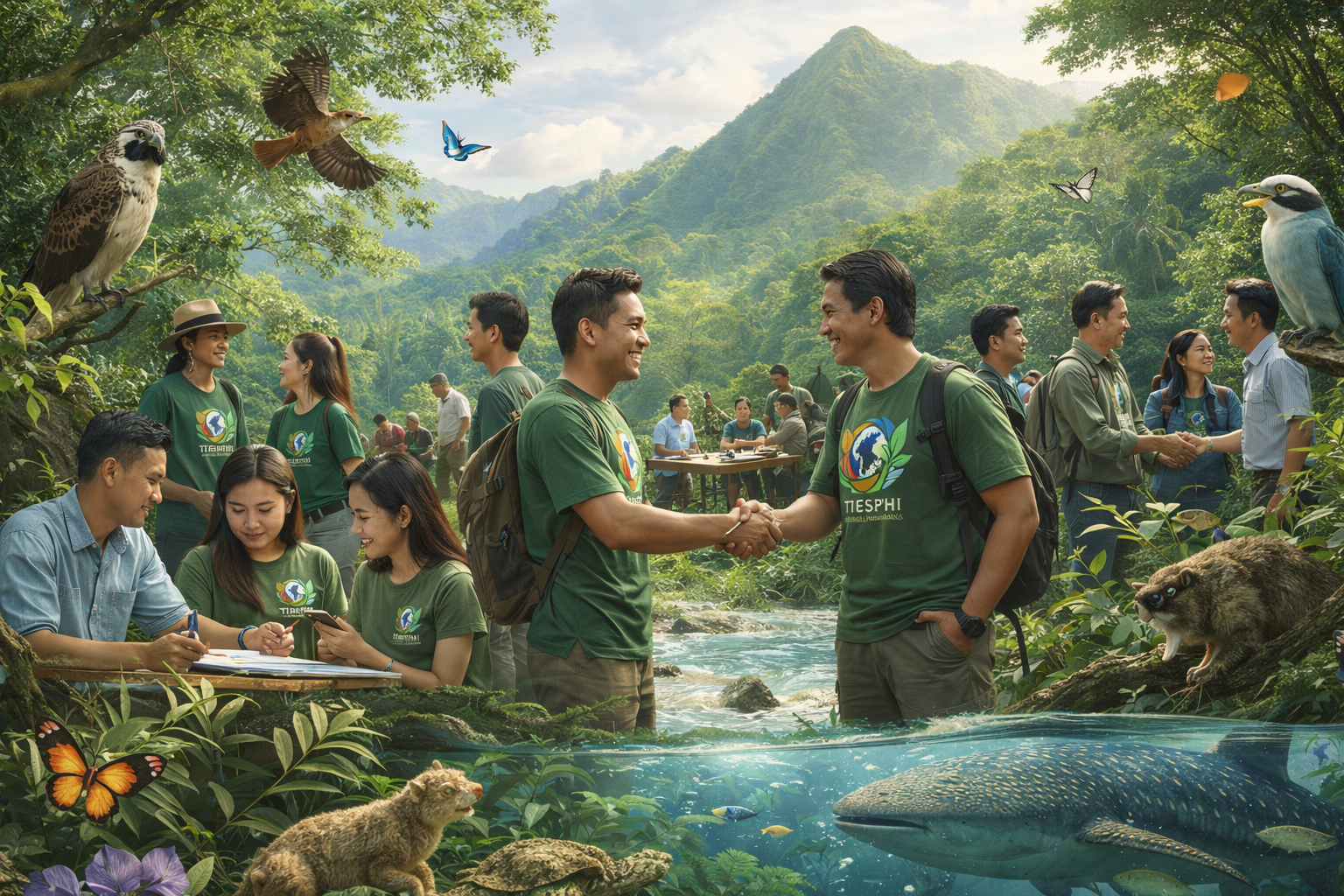
The International Ecotourism Society – Philippines (TIESPHI) continues to bring together passionate individuals and organizations … Continue reading Join the Movement for Responsible Tourism with TIESPHI
December 28, 2025The 🌱 International Ecotourism Society (TIESPHI) is now open for membership registration to individuals, advocates, professionals, organizations, academic institutions, and community groups committed to promoting responsible and sustainable tourism.
As a member of TIES, you will gain access to:
Capacity-building programs, webinars, and learning sessions on ecotourism and sustainability
A global network of ecotourism professionals, organizations, and experts
Opportunities to participate in advocacy efforts, community-based initiatives, and conservation projects
Collaboration in promoting environmental stewardship and cultural preservation
TIES welcomes all who share the vision of protecting natural environments, empowering local communities, and supporting sustainable tourism development.
Be part of the global movement for responsible tourism—join TIES today 🌱!
 The International Ecotourism Society