Close
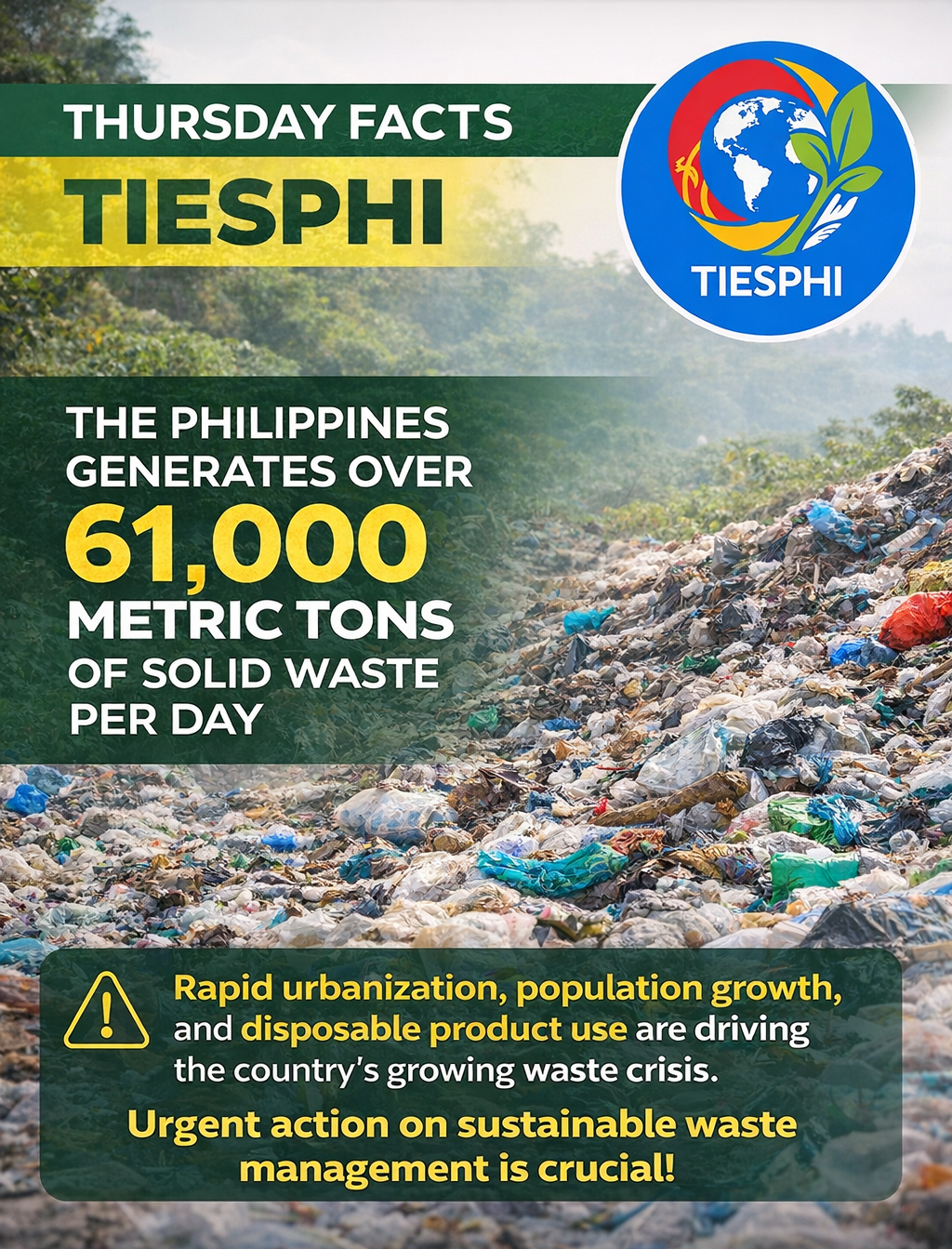
Manila, Philippines — The Philippines is facing an accelerating solid waste crisis, with daily waste generation reaching alarming levels. Recent data cited by Manila Bulletin (January 11, 2026, “The Trash Left Behind”) reveal that the country now produces approximately 61,000 to 62,000 metric tons of solid waste per day—equivalent to more than 22 million metric tons annually.
This volume continues to rise due to rapid urbanization, population growth, expanding tourism activities, and the widespread use of disposable and single-use products. If current trends persist, waste generation is projected to increase further in the coming years, placing immense pressure on already strained local government units (LGUs), waste management systems, and fragile ecosystems.
Improper waste disposal contributes to flooding, marine pollution, biodiversity loss, greenhouse gas emissions from landfills, and serious public health concerns. As an archipelagic nation highly dependent on its natural resources and coastal ecosystems, the Philippines faces disproportionate environmental and economic risks from unmanaged waste.
Tourism destinations, in particular, are increasingly vulnerable. Overflowing landfills, plastic pollution in oceans, and degraded natural landscapes threaten not only biodiversity but also livelihoods that depend on sustainable tourism.
The International Ecotourism Society – Philippines (TIESPHI) recognizes that solid waste management is not only an environmental issue but also a sustainability and tourism resilience issue. As a leading advocate for responsible and sustainable tourism development, TIESPHI is committed to being part of the solution.
TIESPHI can integrate solid waste reduction and circular economy principles into ecotourism accreditation, destination management planning, and sustainability standards. By encouraging tourism establishments to adopt zero-waste practices, reduce single-use plastics, and implement proper segregation systems, the organization helps reduce environmental footprints at the source.
Through workshops, training programs, and technical assistance, TIESPHI can support local governments, tourism officers, resort owners, and community leaders in developing practical and scalable waste management systems tailored to their destinations.
Behavioral change is essential. TIESPHI can spearhead nationwide awareness initiatives—such as “Thursday Facts” campaigns—to educate citizens and travelers on responsible consumption, proper waste segregation, and sustainable travel practices.
The waste crisis requires coordinated action. TIESPHI can collaborate with government agencies, environmental organizations, private sector partners, and academic institutions to strengthen policy implementation, research, and innovation in waste management solutions.
TIESPHI can promote and support local enterprises engaged in recycling, composting, upcycling, and eco-friendly product development. By integrating these initiatives into tourism supply chains, destinations can reduce waste while creating green jobs.
Through policy dialogues and national forums, TIESPHI can advocate for stronger enforcement of ecological solid waste management laws, extended producer responsibility (EPR), and sustainable procurement systems within tourism operations.
The Philippines’ solid waste crisis is not insurmountable—but it requires urgent, collective, and sustained action. Sustainable waste management is critical to protecting biodiversity, strengthening climate resilience, safeguarding public health, and ensuring the long-term viability of the country’s tourism industry.
TIESPHI calls on government agencies, local government units, private sector stakeholders, civil society organizations, and every Filipino citizen to take responsibility and act decisively.
By embedding sustainability into tourism development and community practices, the Philippines can transition from a waste-challenged nation to a model of ecological stewardship in Southeast Asia.
Together, we can turn the tide on waste—and protect the natural heritage that defines our nation.
Source: https://mb.com.ph/2026/01/11/the-trash-left-behind
Date Posted: February 25, 2026
Ecotourism continues to reshape global travel in 2025, evolving from a mere trend into a … Continue reading 10 Interesting Facts About Ecotourism in 2025
December 10, 2025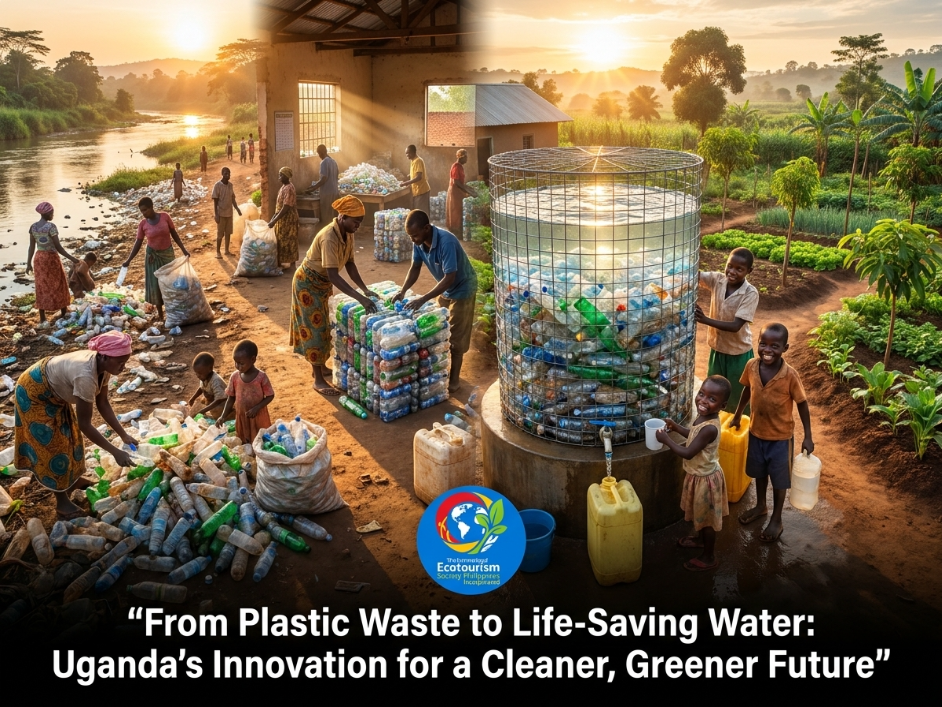
In the heart of Uganda, a powerful environmental innovation is reshaping how communities view plastic … Continue reading From Waste to Water: Uganda Transforms Plastic Bottles into Life-Saving Water Tanks
May 9, 2026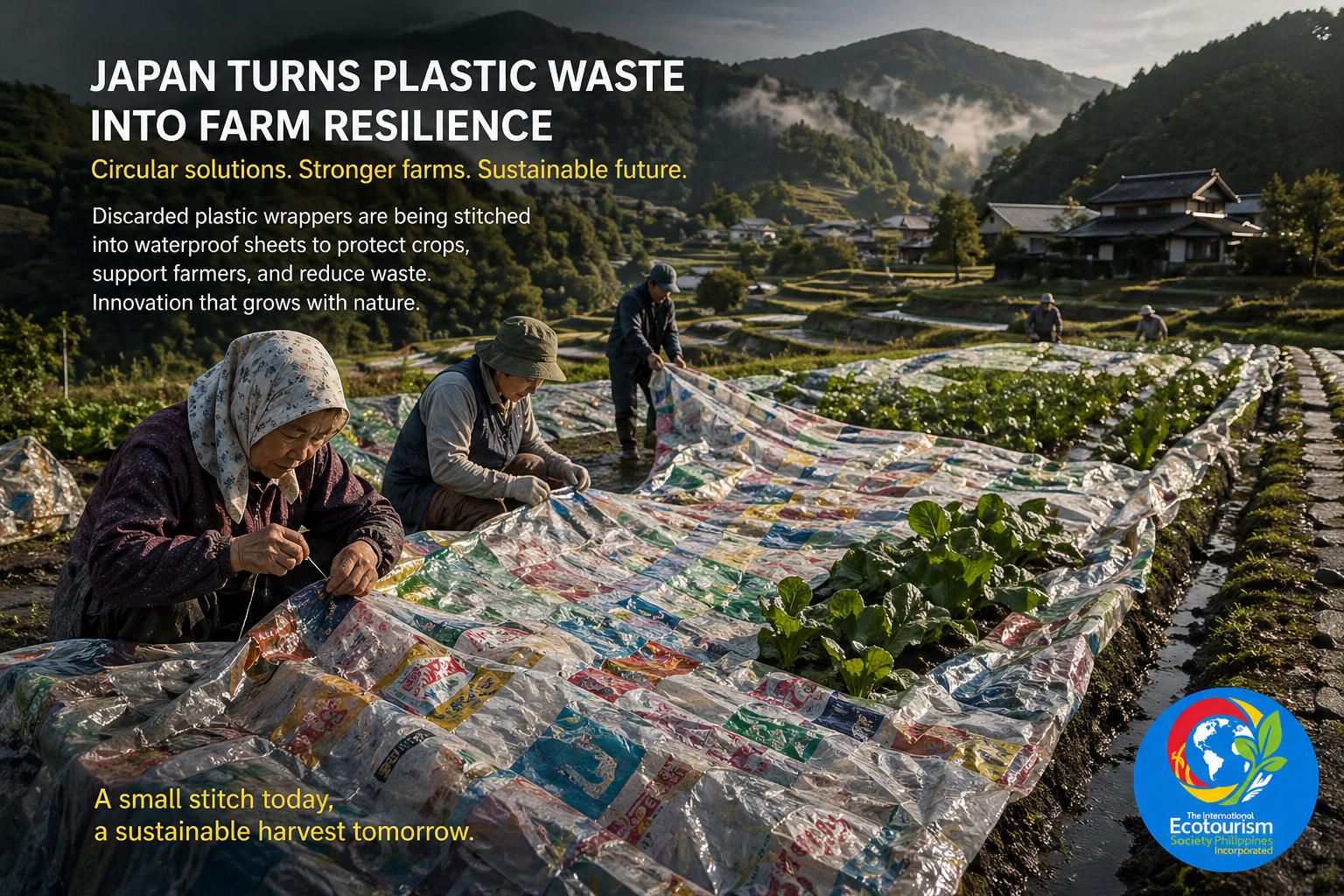
Japan continues to demonstrate how practical innovation can turn everyday waste into valuable agricultural solutions. … Continue reading Japan Advances Circular Agriculture Through the Reuse of Plastic Packaging in Farming
April 29, 2026The 🌱 International Ecotourism Society (TIESPHI) is now open for membership registration to individuals, advocates, professionals, organizations, academic institutions, and community groups committed to promoting responsible and sustainable tourism.
As a member of TIES, you will gain access to:
Capacity-building programs, webinars, and learning sessions on ecotourism and sustainability
A global network of ecotourism professionals, organizations, and experts
Opportunities to participate in advocacy efforts, community-based initiatives, and conservation projects
Collaboration in promoting environmental stewardship and cultural preservation
TIES welcomes all who share the vision of protecting natural environments, empowering local communities, and supporting sustainable tourism development.
Be part of the global movement for responsible tourism—join TIES today 🌱!
 The International Ecotourism Society