Close
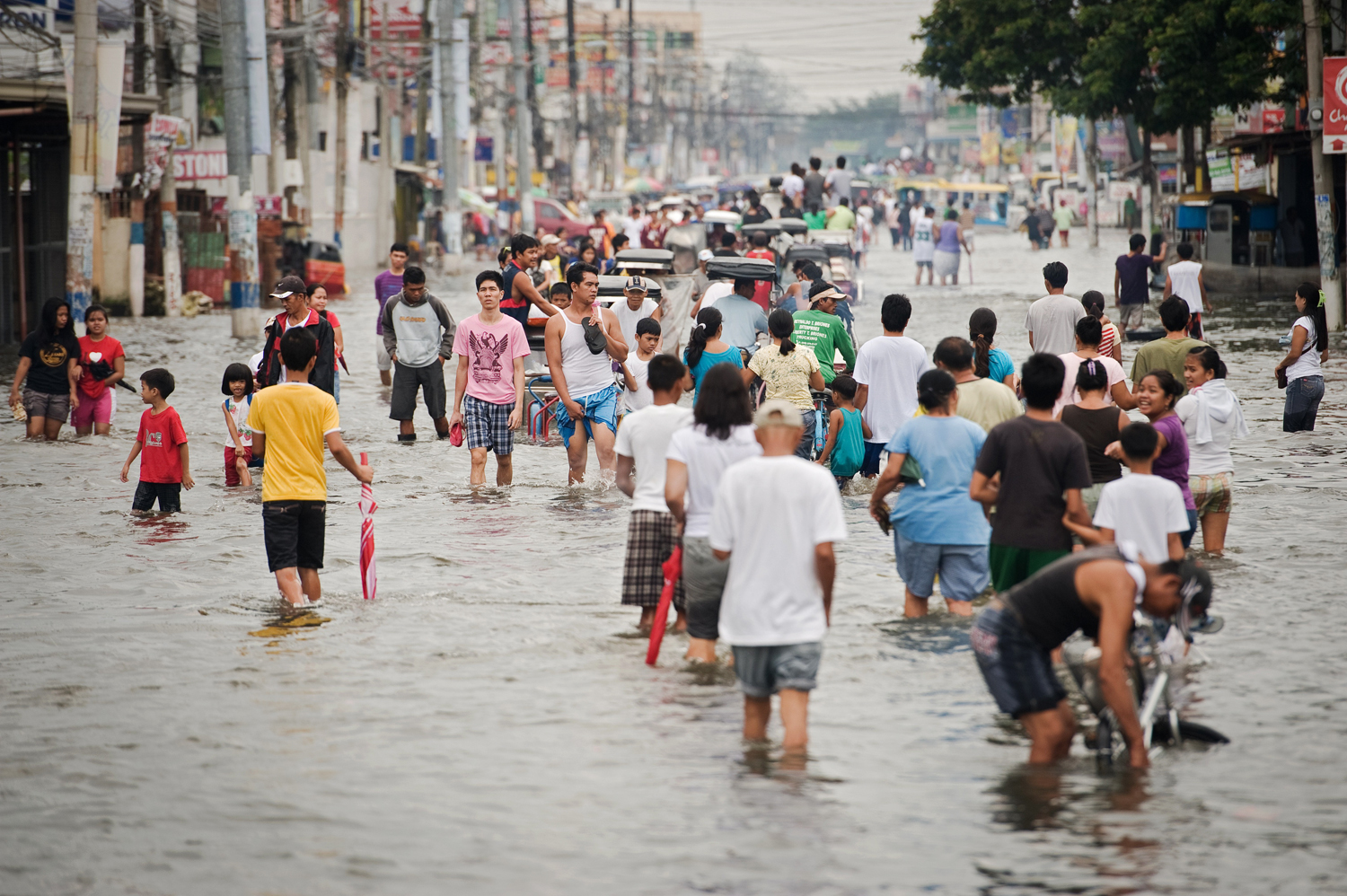
CEBU, Philippines — Cebu continues to reel from the devastation left by Typhoon Kalmaegi, as the rising death toll and widespread flooding now give way to another looming crisis: a surge in suspected leptospirosis cases among displaced residents. Authorities report that the nationwide death toll has climbed sharply, with Cebu listed among the worst-hit provinces. Rapid flash floods swept through communities, submerging homes and forcing residents onto elevated surfaces with little time to react. Local government units have since declared a state of calamity, accelerating the release of emergency funds and allowing faster distribution of food, shelter, and rescue resources. As floodwaters recede, health officials are warning of increasing cases of fever, body pain, and infections consistent with leptospirosis — a bacterial disease commonly spread through water contaminated by animal urine, especially from rats. Many survivors, having waded through thick, debris-filled floodwater, now face heightened exposure to harmful bacteria. Medical teams report that evacuees often lack access to clean drinking water, proper hygiene facilities, and immediate treatment — conditions that significantly increase the chance of infection.
Leptospirosis is highly infectious, particularly after massive flooding, but not typically contagious from person to person. Its danger comes from how easily the bacteria enter the body through:
The infection spreads through water or soil contaminated with the urine of infected animals — especially rats, dogs, pigs, and livestock. After storms, floodwaters mix with garbage, sewage, and animal waste, creating ideal conditions for widespread contamination.
Health experts stress that:
Because thousands of Cebu residents had no choice but to walk or swim through floodwaters, the risk level in affected communities is considered very high. Community leaders and humanitarian groups say the poorest neighborhoods have once again borne the brunt of the disaster. They urge national and local officials to intensify support in areas such as:
Advocates stress that rebuilding must include not only repairing damaged structures but also addressing the root causes of recurring disasters, such as poor waste management, inadequate flood systems, and limited preparedness programs. As Cebu pushes through cleanup and recovery, health experts urge anyone who came into contact with floodwater to seek immediate medical attention if experiencing early symptoms of leptospirosis. Quick diagnosis and antibiotic treatment greatly reduce the risk of severe complications.
Cebu’s road to recovery will require sustained collaboration between government agencies, medical institutions, relief organizations, and communities — ensuring that survivors are protected from both the initial storm and the dangerous health threats that follow.
References:

We proudly joins the observance of Be Kind to Animals Month this May with a … Continue reading The International Ecotourism Society Philippines Incorporated Champions “Be Kind to Animals Month” This May
May 5, 2026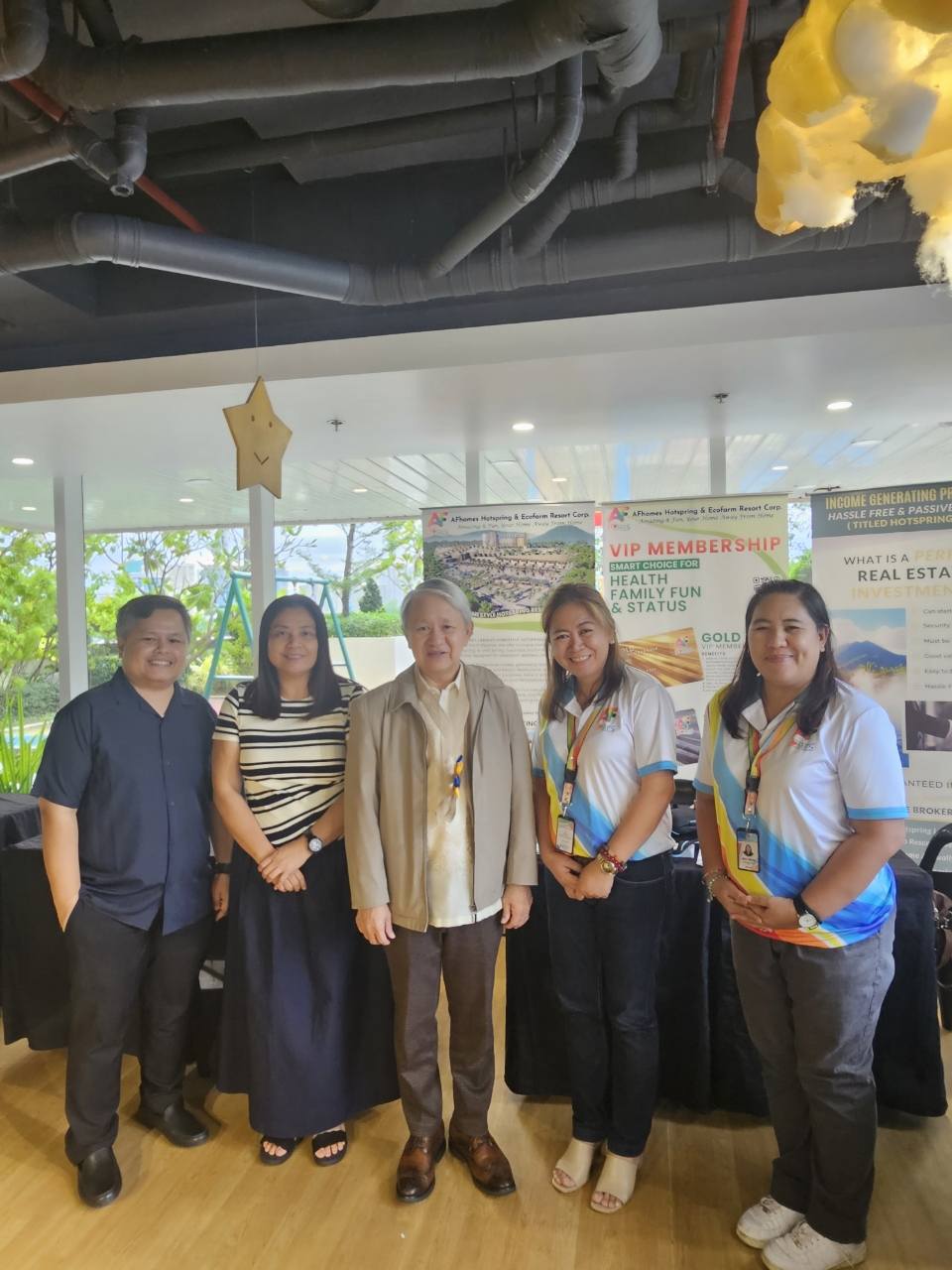
The 1st Philippine Real Estate, Travel, and Technology Summit Conference successfully convened key stakeholders from … Continue reading Industry Leaders Convene at the 1st Philippine Real Estate, Travel, and Technology Summit Conference to Discuss Sustainable, Innovation-Driven Development
January 8, 2026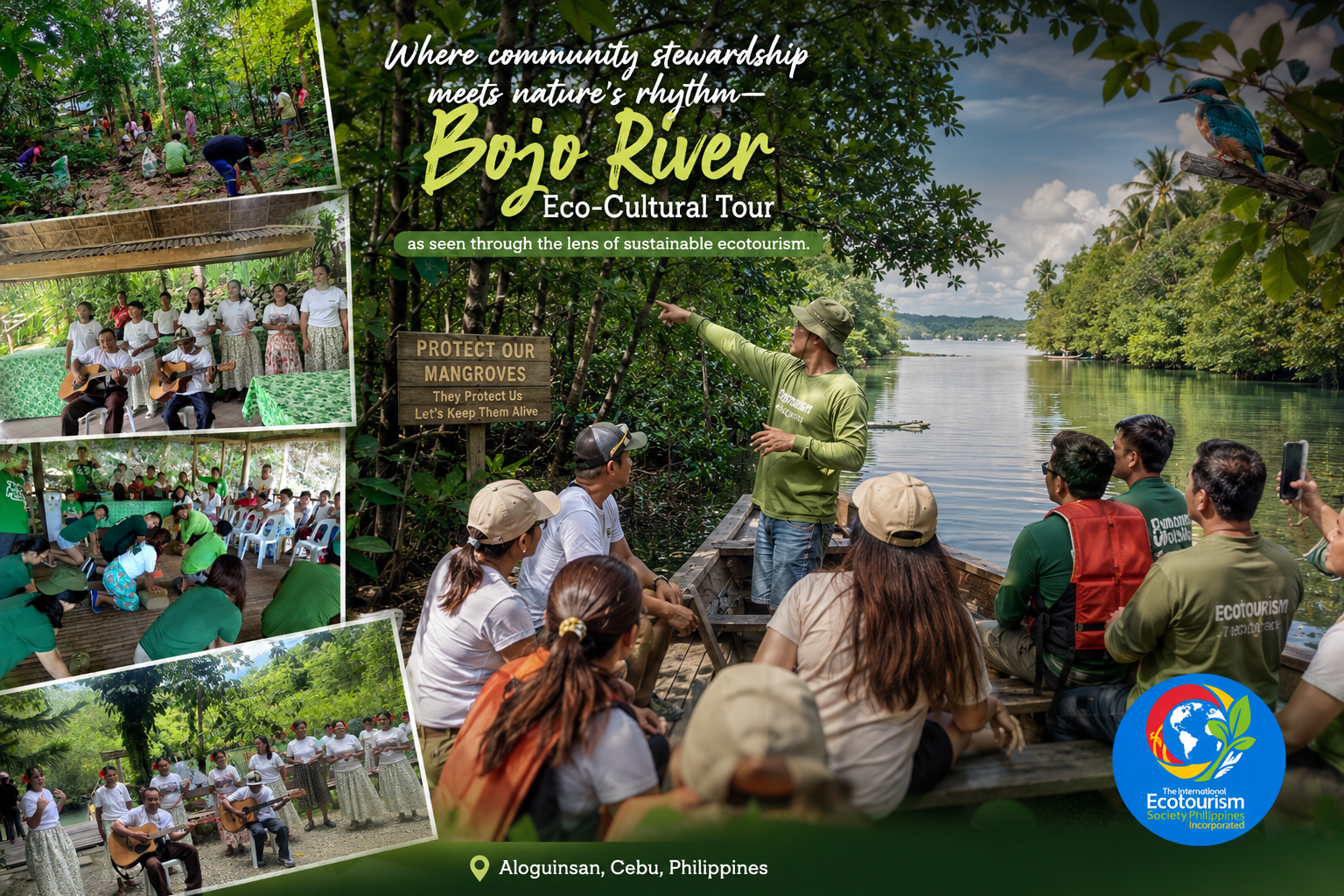
Aloguinsan, Cebu, Philippines — A quiet river in the town of Aloguinsan is gaining attention … Continue reading Community Leads the Way in Sustainable Tourism: Bojo River Eco-Cultural Tour Gains Recognition
May 15, 2026The 🌱 International Ecotourism Society (TIESPHI) is now open for membership registration to individuals, advocates, professionals, organizations, academic institutions, and community groups committed to promoting responsible and sustainable tourism.
As a member of TIES, you will gain access to:
Capacity-building programs, webinars, and learning sessions on ecotourism and sustainability
A global network of ecotourism professionals, organizations, and experts
Opportunities to participate in advocacy efforts, community-based initiatives, and conservation projects
Collaboration in promoting environmental stewardship and cultural preservation
TIES welcomes all who share the vision of protecting natural environments, empowering local communities, and supporting sustainable tourism development.
Be part of the global movement for responsible tourism—join TIES today 🌱!
 The International Ecotourism Society