

Close
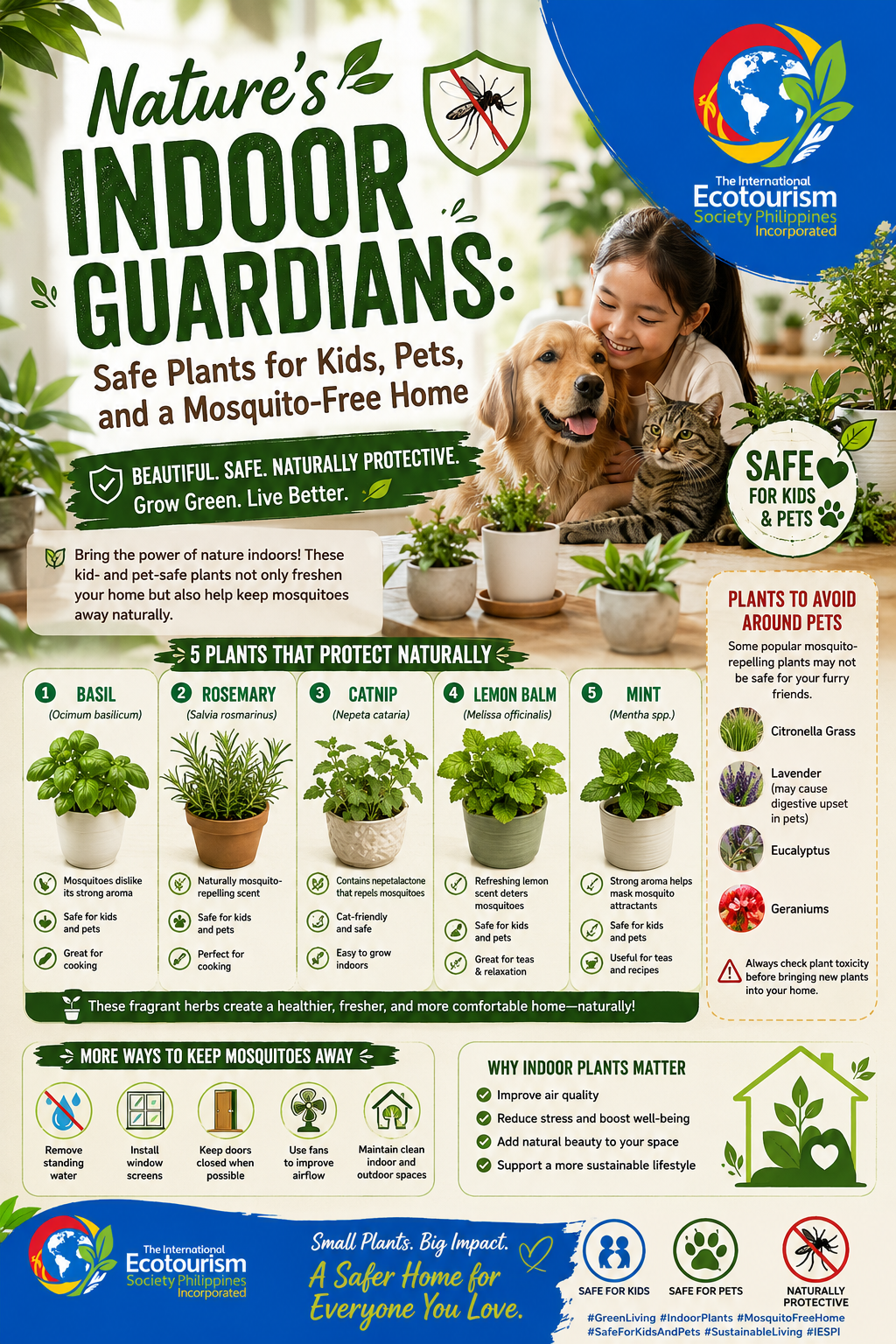
Creating a healthy indoor environment involves more than just decoration. The right houseplants can improve air quality, add natural beauty, and even help deter mosquitoes. For families with children and pets, choosing non-toxic plants is especially important.
While no plant can completely eliminate mosquitoes, certain aromatic species contain natural compounds that mosquitoes tend to avoid. When combined with good household practices, these plants can contribute to a more comfortable and eco-friendly living space.
Basil is a fragrant herb known for its culinary uses, but it also contains natural oils that mosquitoes find unpleasant.
• Naturally aromatic and easy to grow indoors
• Safe for children and most household pets
• Fresh leaves can be used in cooking
• Place near a sunny window
• Water regularly but avoid overwatering
Rosemary releases a strong herbal scent that may help discourage mosquitoes while providing a versatile culinary herb.
• Non-toxic to children and pets when grown normally
• Pleasant fragrance
• Can be used fresh or dried in recipes
• Requires bright sunlight
• Prefers well-drained soil
A member of the mint family, catnip contains nepetalactone, a compound shown to repel mosquitoes.
• Attractive to cats and generally safe for households
• Easy to grow indoors
• Produces small, attractive flowers
• Provide bright light
• Trim regularly to encourage growth
This member of the mint family has a refreshing citrus scent that many people enjoy but mosquitoes tend to avoid.
• Safe for children and pets
• Pleasant lemon fragrance
• Can be used in teas and herbal remedies
• Thrives in indirect sunlight
• Keep soil slightly moist
Mint’s strong aroma may help mask scents that attract mosquitoes.
• Pet-friendly and family-friendly
• Useful for teas, desserts, and cooking
• Fast-growing and easy to maintain
• Grows well in containers
• Requires regular watering
Although some mosquito-repelling plants are popular, several are not ideal for homes with pets.
Examples include:
• Citronella Grass
• Lavender (may cause digestive upset in pets)
• Eucalyptus
• Geraniums
Always check toxicity information before introducing new plants into your home.
Indoor plants can help, but they work best alongside other preventive measures:
• Remove standing water around the home
• Install window screens
• Keep doors closed when possible
• Use fans to improve airflow
• Maintain clean indoor and outdoor spaces
Indoor plants offer more than aesthetic value. Choosing child-friendly and pet-safe species such as basil, rosemary, catnip, lemon balm, and mint can enhance your living space while contributing to a more natural approach to mosquito management.
Remember, the goal is not just to repel pests but to create a healthier, greener, and safer environment for the entire family.
Date Posted: June 2, 2026
Ecotourism is a form of responsible travel that allows people to explore natural areas while … Continue reading Learning, Conserving, and Connecting with Nature
November 20, 2025
November 20th, 2025 – The Tourism Industry and Economic Synergy of the Philippines (TIESPHI) and … Continue reading Historic Ecotourism Collaboration Unveiled: TIESPHI and Tourism Winnipeg Forge Global Pathway for Sustainable Tourism
November 23, 2025
Ecotourism, defined as responsible travel to natural areas that conserves the environment and sustains the … Continue reading Understanding the Role of Ecotourism in Environmental Conservation and Community Development
December 6, 2025The 🌱 International Ecotourism Society (TIESPHI) is now open for membership registration to individuals, advocates, professionals, organizations, academic institutions, and community groups committed to promoting responsible and sustainable tourism.
As a member of TIES, you will gain access to:
Capacity-building programs, webinars, and learning sessions on ecotourism and sustainability
A global network of ecotourism professionals, organizations, and experts
Opportunities to participate in advocacy efforts, community-based initiatives, and conservation projects
Collaboration in promoting environmental stewardship and cultural preservation
TIES welcomes all who share the vision of protecting natural environments, empowering local communities, and supporting sustainable tourism development.
Be part of the global movement for responsible tourism—join TIES today 🌱!
 The International Ecotourism Society