

Close
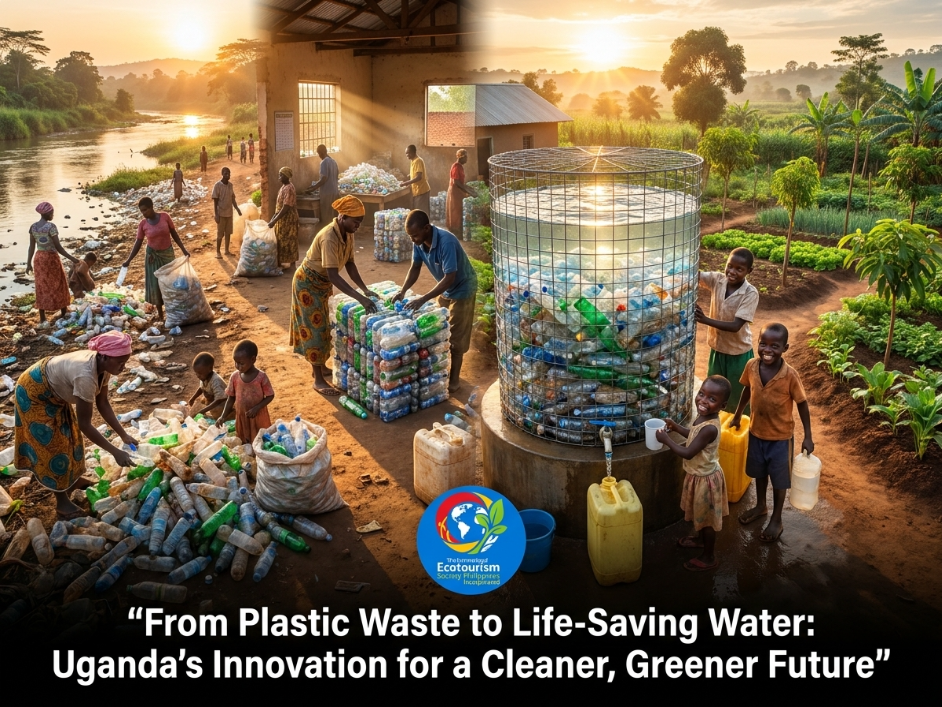
In the heart of Uganda, a powerful environmental innovation is reshaping how communities view plastic waste. Once seen as a major pollutant clogging streets, rivers, and drainage systems, discarded plastic bottles are now being transformed into life-saving water storage tanks that support clean water access and environmental restoration.
Across towns like Kayunga and parts of Kampala, local communities are collecting single-use plastic bottles and repurposing them into strong, durable “eco-bottle bricks.” These are tightly packed, reinforced, and assembled into water tanks capable of storing clean water for households, schools, farms, and community use.
The initiative addresses two urgent challenges at once: plastic pollution and water scarcity. Uganda produces thousands of tonnes of plastic waste annually, with a significant portion ending up in the environment. At the same time, many communities still struggle with unreliable access to clean water. Turning waste into infrastructure provides a practical and low-cost solution.
Beyond environmental benefits, the project is also creating meaningful economic opportunities. Waste collectors, recyclers, local builders, and small entrepreneurs are gaining new sources of income through bottle collection and processing. Training programs in communities are empowering residents—especially women—to participate in recycling and sustainable construction.
According to community organizers, the transformation begins with simple education and hands-on participation. Residents are taught how to properly collect, clean, and compress plastic bottles so they can be used as building materials. Over time, these efforts reduce plastic pollution while strengthening local resilience.
The impact is already visible. Areas once filled with scattered plastic waste are becoming cleaner, greener, and more organized. Drainage blockages and flooding caused by plastic buildup are gradually decreasing. Gardens are recovering, and community pride is growing alongside environmental awareness.
Environmental advocates emphasize that Uganda’s approach highlights an important truth: sustainability does not always require expensive technology. Sometimes, it begins with reimagining waste as a resource.
As global discussions continue on plastic reduction and recycling policies, Uganda’s eco-bottle water tanks offer a powerful real-world example of circular economy innovation in action. It is a model that demonstrates how creativity, community participation, and environmental responsibility can work together to build a cleaner and more sustainable future.
Date Posted: May 9, 2026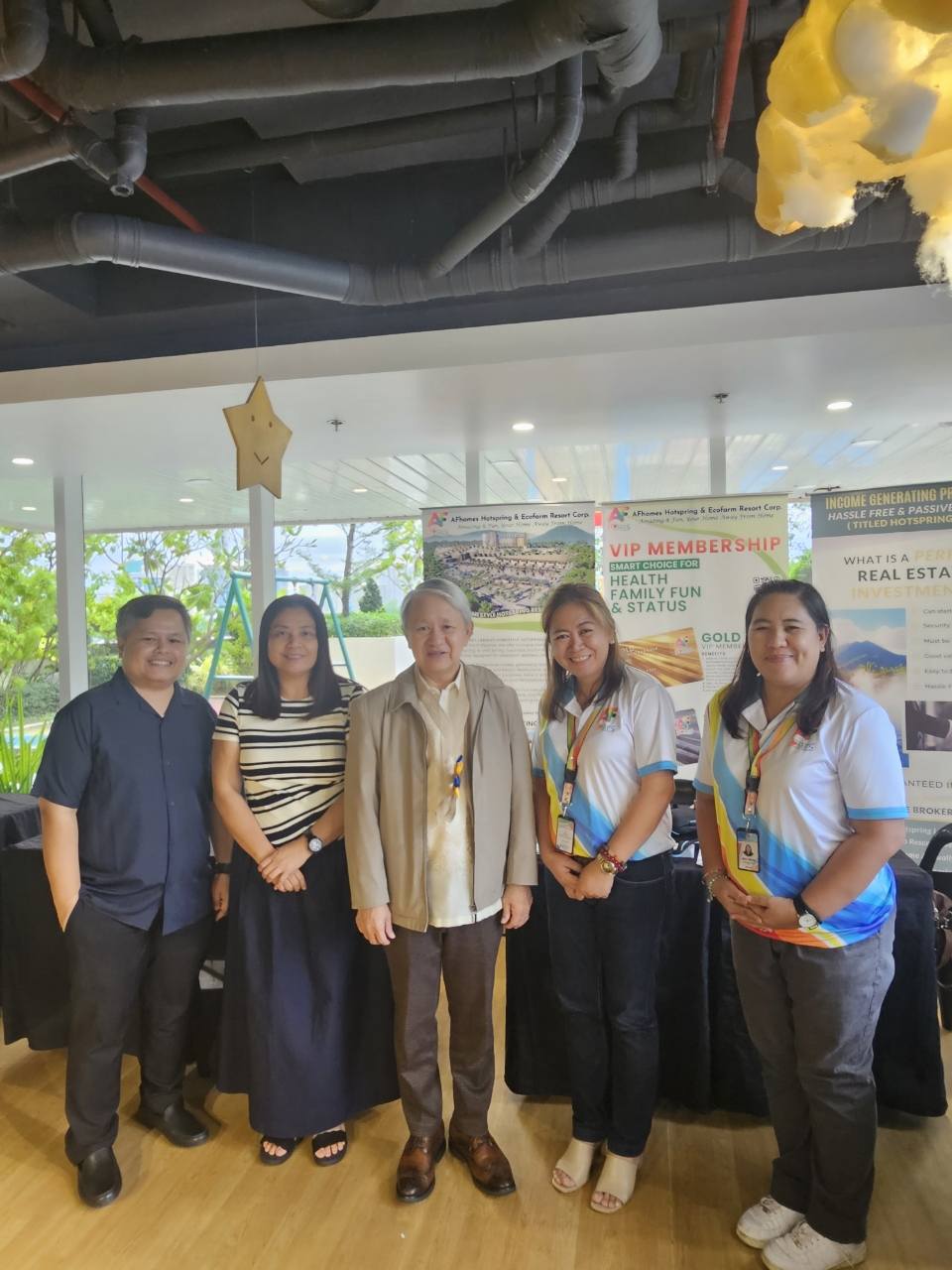
The 1st Philippine Real Estate, Travel, and Technology Summit Conference successfully convened key stakeholders from … Continue reading Industry Leaders Convene at the 1st Philippine Real Estate, Travel, and Technology Summit Conference to Discuss Sustainable, Innovation-Driven Development
January 8, 2026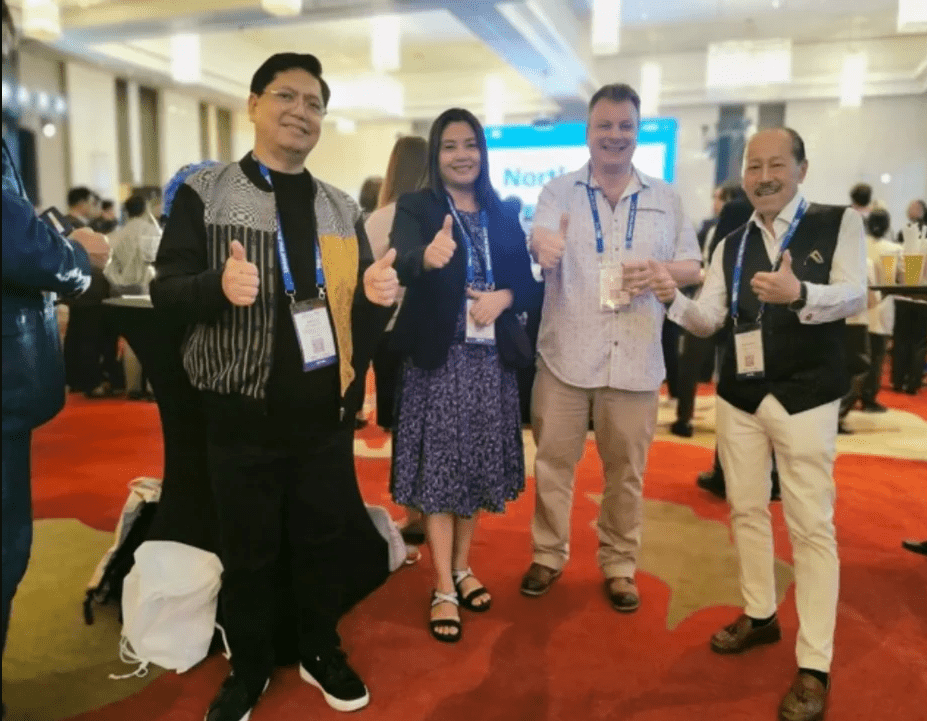
TIES Philippines Participates in IT&CM Asia and CTW Asia-Pacific 2023, Strengthening Its Presence in Sustainable … Continue reading Nurturing Valuable Connections at the IT&CM; Asia and CTW Asia Pacific 2023
November 3, 2025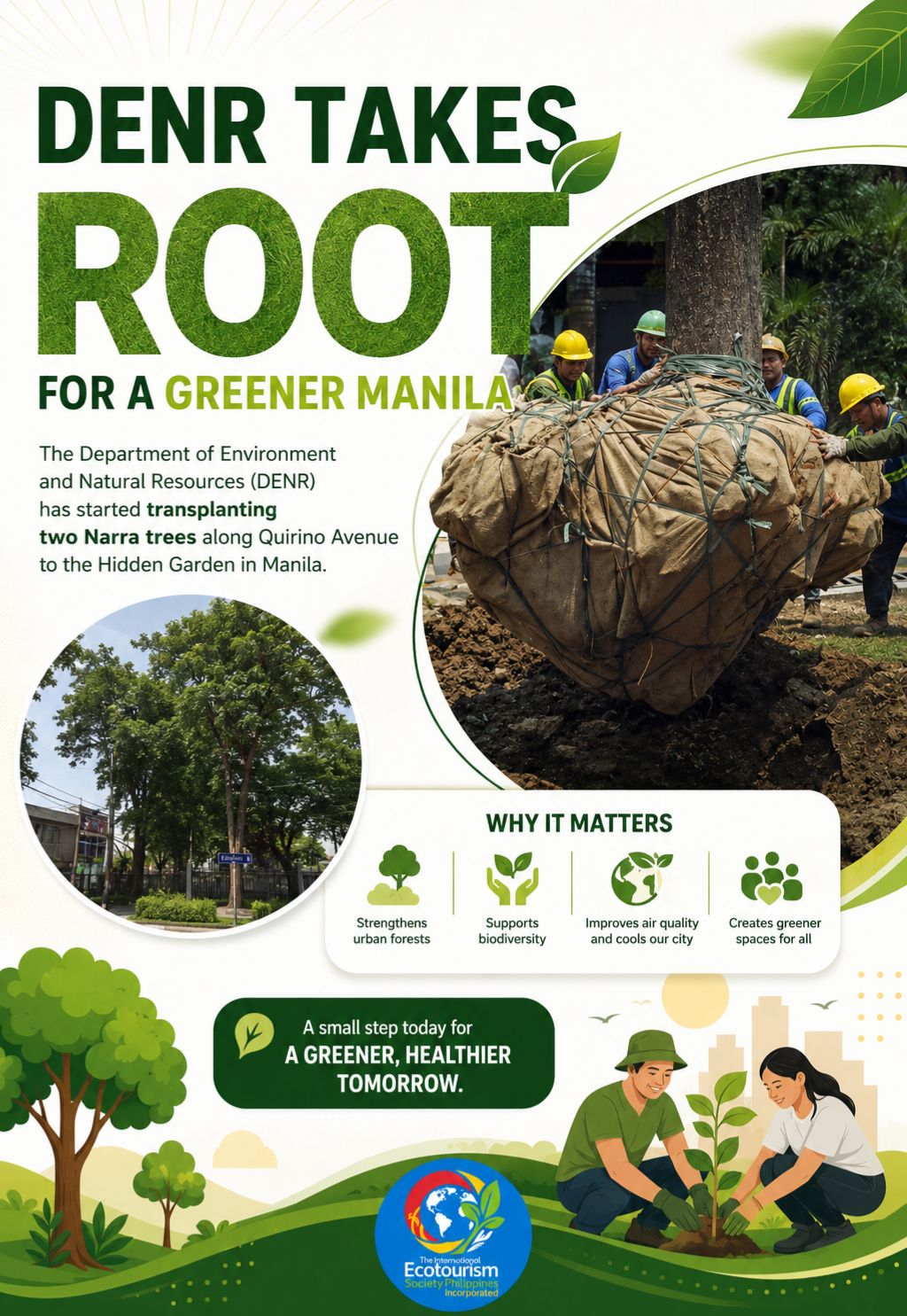
The recent relocation of Narra trees by the Department of Environment and Natural Resources (DENR) … Continue reading Rooted Progress: A New Era of Development that Grows with Nature
May 30, 2026The 🌱 International Ecotourism Society (TIESPHI) is now open for membership registration to individuals, advocates, professionals, organizations, academic institutions, and community groups committed to promoting responsible and sustainable tourism.
As a member of TIES, you will gain access to:
Capacity-building programs, webinars, and learning sessions on ecotourism and sustainability
A global network of ecotourism professionals, organizations, and experts
Opportunities to participate in advocacy efforts, community-based initiatives, and conservation projects
Collaboration in promoting environmental stewardship and cultural preservation
TIES welcomes all who share the vision of protecting natural environments, empowering local communities, and supporting sustainable tourism development.
Be part of the global movement for responsible tourism—join TIES today 🌱!
 The International Ecotourism Society